How to Deal with the Loss of a Pet: A Parent’s Guide to Helping Children Grieve
Discover comforting strategies to help you navigate the profound loss of a pet. Find solace and healing in your journey.
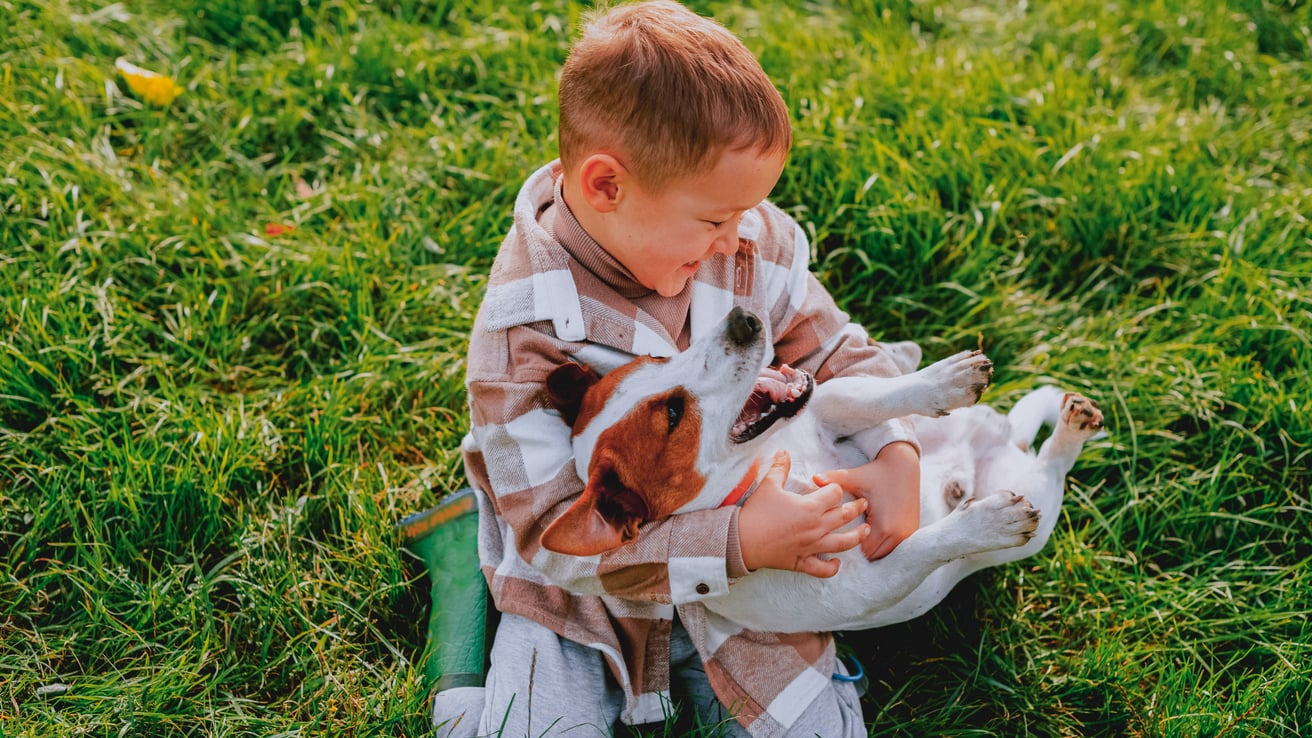


The hardest part of loving a pet is knowing you’ll likely outlive them. Pets often become children’s first best friends, and the strong bond, unconditional love, and steady presence can make the loss of a pet especially hard.
Loss of a beloved pet often marks a child’s first encounter with death and grief. Studies show that around 6 in 10 children with pets lose one by age seven, making this a very common childhood experience that requires thoughtful parental support.
This guide explains how children experience pet loss, how to recognize their grief, and the best ways to support them. You’ll also find practical strategies to cope with the loss and guidance for when your child may need extra support.
Key takeaways
- Children grieve pet loss too, even if they don’t show it openly. Parental support plays a big role in their healing.
- A child’s grief is shaped by their developmental stage, personality, and closeness to the pet.
- Parents can help by modeling healthy coping skills, validating feelings, and keeping communication open. Activities, memorial rituals, and even therapy can all support a child through grief.
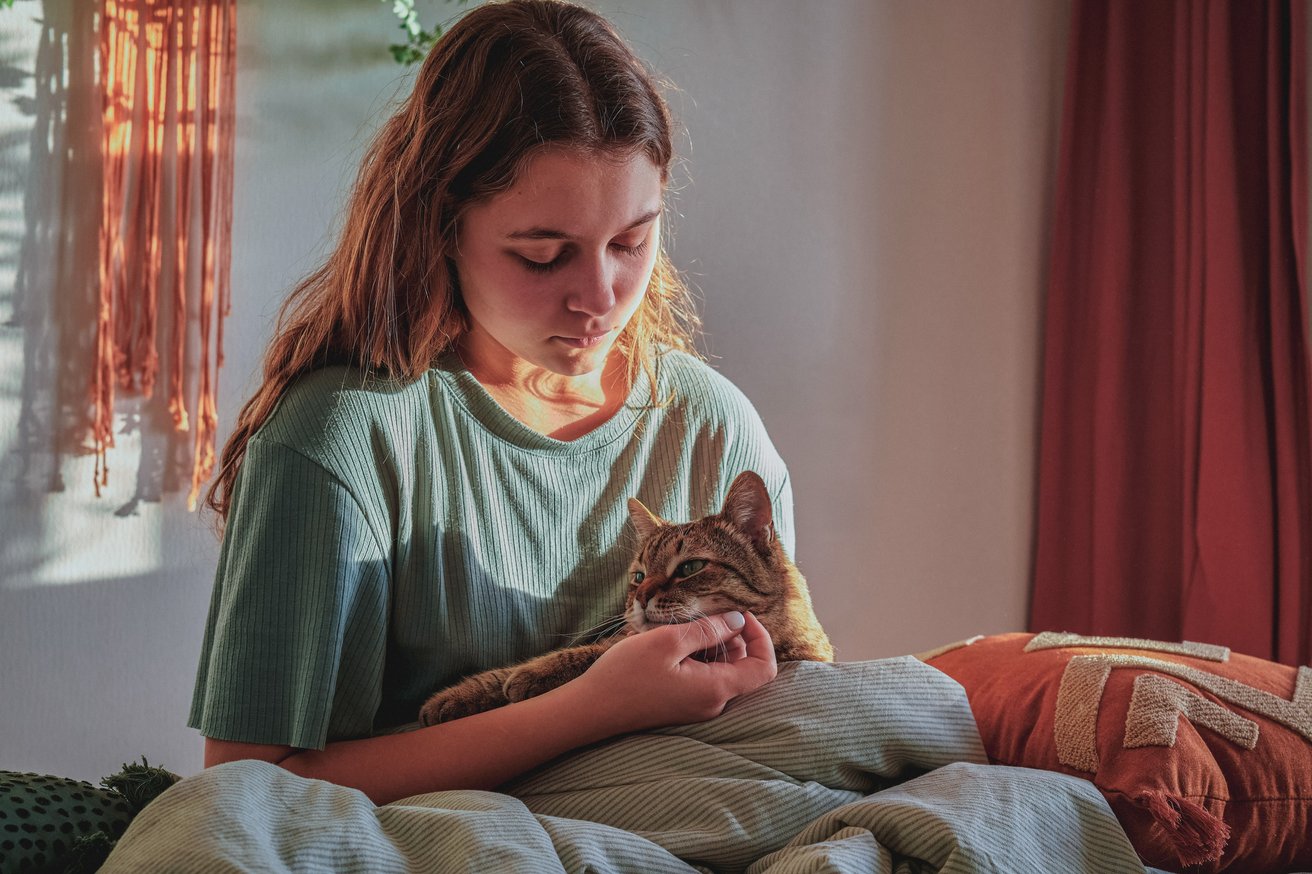
Practical coping strategies to help children grieve
Everyone experiences grief, but coping with the loss of a pet is something children learn, not something they automatically know how to do. These strategies offer gentle emotional support.
Engaging activities and distractions
You don’t need to force distractions, but giving kids opportunities to express themselves can help them process grief safely. Try:
- Creative outlets like coloring, painting, journaling, or drawing pictures
- Outdoor play, family walks, or physical activity to release stress
- New hobbies (music lessons, art, sports)
- Volunteering at a humane society or rescue center
Reading storybooks
Storybooks can greatly help children understand and process pet loss. Books create a safe emotional distance and offer emotional language as they explore grief. Stories provide characters children can identify with, helping them cope with complex emotions.
Some great books dealing with pet loss include:
- Goodbye Mousie by Robbie Harris
- The Tenth Good Thing About Barney by Judith Viorst
- The Invisible Leash by Patrice Karst
- Saying Goodbye to Lulu by Corinne Demas
- The Rough Patch by Brian Lies
Libraries, veterinary clinics, and shelter organizations often share additional booklists and worksheets for grieving kids.
Maintaining open communication
Talking about your pet and the reality of their death helps children process the loss. Avoid euphemisms like “put to sleep” or “lost,” which can confuse or frighten young kids.
Welcome questions with honesty but without unnecessary detail. Listen fully and gently address any negative thoughts, guilt, or fear they express.
Just as important, really listen to them. Give your full attention, make eye contact, avoid interrupting, and welcome whatever emotions they share. These moments are also a good time to gently correct any guilt or misunderstanding they may have about the loss.
Memorial activities
Rituals help children cope with loss by providing something concrete and meaningful to hold onto. These activities give kids a sense of closure while keeping good memories alive.
Consider:
- Holding a small memorial service
- Sharing stories or favorite moments
- Planting a tree or flowers in memory of the pet
- Drawing pictures of the rainbow bridge
- Writing letters to the pet
- Lighting a candle together
Creating keepsakes
Keepsakes give children a tangible connection to their pet and a sense of ongoing closeness. Options include:
- Framed pictures
- A scrapbook or album
- A memory box with toys, tags, or drawings
- A soft stuffed animal that reminds them of their pet
- A small urn or locket with the pet’s ashes
These reminders offer comfort long after the initial sadness eases.
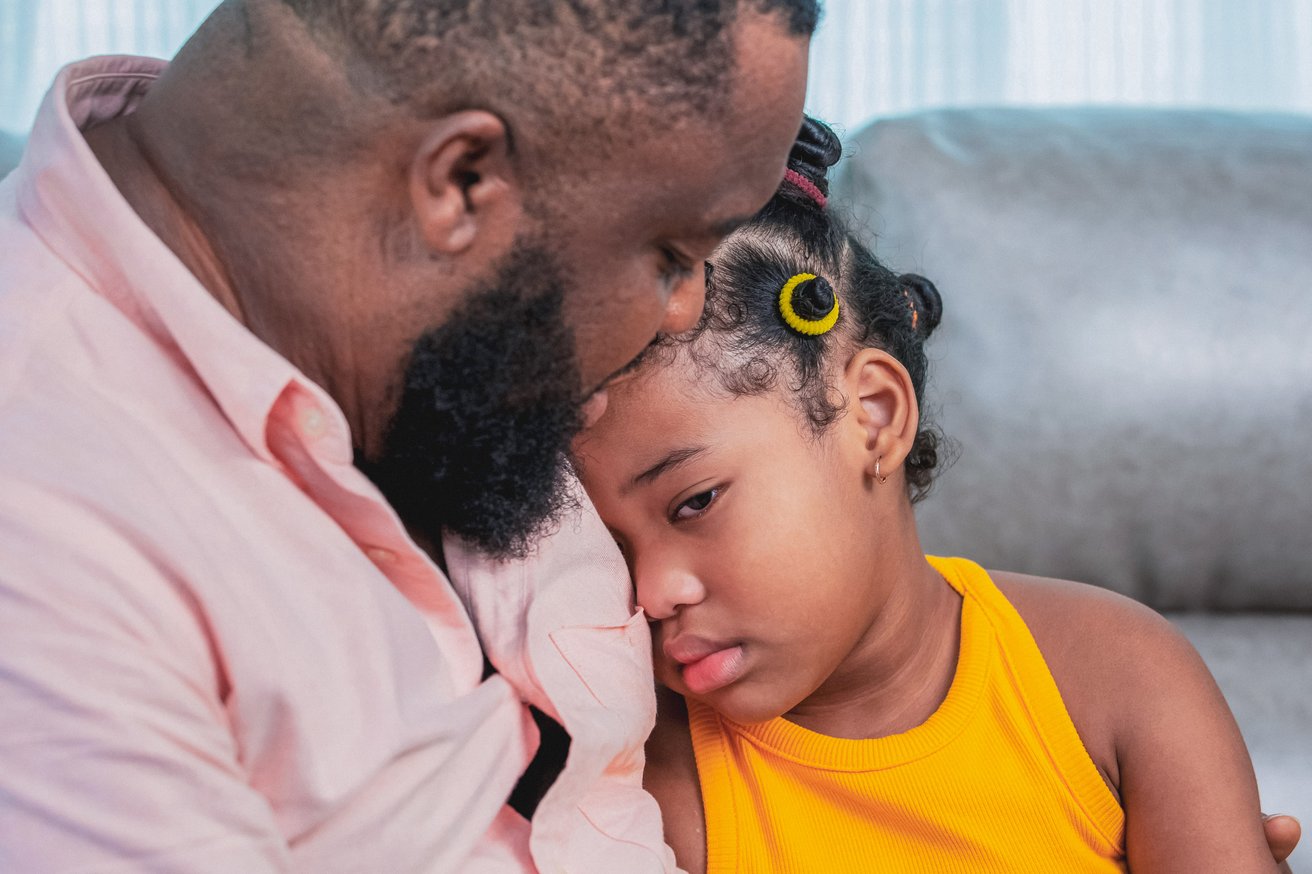
Allowing yourself and your child to grieve
Grieving is a normal part of healing. Allowing emotions to surface creates space for healing and acceptance over time.
Bottling up or suppressing your emotions can prevent you and your family from moving forward, and unprocessed feelings can build and cause more problems later.
Acknowledge emotions
Children learn to grieve by watching adults. If you hide your sadness, they may hide theirs. Instead, validate emotions with phrases like: “I really miss our pet too,” and “It’s okay to feel sad or upset. It means you loved them.”
Letting them see you cry or share memories reassures them that emotional expression is safe and healthy.
Maintain routines and self-care
Routine gives children a sense of stability and reassurance when they’re grieving. As much as possible, keep meals, bedtimes, and daily rhythms steady.
Just as important, take care of yourself. Grieving parents can sometimes neglect their own emotional needs. Try to rest, lean on your support system, and accept help from loved ones when needed. Healthy coping in you reinforces healthy coping in your child.
Avoid minimizing language
A study found that how parents respond after a child experiences trauma can strongly influence the child’s recovery. Kids often model their coping style after the adults around them and may adopt unhelpful patterns when parents frequently express extreme fear or hopelessness, such as saying, “I don’t think we’ll ever get over this.”
Minimizing statements like “Don’t cry,” “We’ll get another pet,” or “You should be over this by now” can invalidate a child’s grief. Instead, validate their experience and gently correct misunderstandings, like, “You’re not to blame for what happened.” “Your pet had a good life because you loved them.”
Helping siblings and surviving pets cope with the loss
Pet loss affects the entire household. If you have multiple children, remember each will grieve differently based on their age, personality, relationship with the pet, and coping style.
- Avoid comparing their reactions
- Honor each child’s emotions at their own pace
- Let each sibling express grief in their own way
- Encourage shared storytelling and happy memories
A surviving pet may also grieve. Signs include searching for the pet, vocalizing, pacing, or changes in appetite or sleep. Help them adjust by keeping routines steady. Pets thrive on predictability. Offer extra affection, physical touch, and more opportunities to spend time together, such as walks, gentle play, or quiet companionship.
Special considerations for different age groups
Children understand death differently at each developmental stage, so their grief will look different, too. Meet them where they are and follow their lead.
Talking with young children (ages 3–7)
Young children often don’t yet understand that death is permanent. They may ask the same questions repeatedly or believe their pet might come back. This repetition is their way of making sense of what happened.
Support them with:
- Simple, concrete explanations
- Reassurance that they’re safe
- Extra snuggles and physical touch
- Answers repeated as many times as needed
- Play and stories that help express feelings
Guiding school-age children
School-age kids usually understand that death is permanent, but their grief may come in waves. They might be fine one day, then deeply upset the next. They may ask practical or curious questions about what happens to the body or what comes after death.
They benefit from:
- Honest conversations
- Naming and validating feelings
- Space to ask questions
- Examples of healthy coping
Supporting preteens and teens
Teens fully understand death. The loss can hit them hard, even if they don’t show it.
They may need:
- Respect for their pace of grieving
- Someone they trust to talk to
- Emotional openness modeled by adults
- Outlets like journaling, art, or sports

Seeking support and community
Pet loss can have a real emotional impact on children. Studies show that kids who lose their pet have a higher risk of later mental health challenges, which is why it’s important to take their grief seriously and offer consistent support.
Pet loss support groups
Many communities offer grief circles or support group meetings for pet owners, families, and children. Veterinary clinics, churches, and humane society organizations often host them.
There are also online options, such as virtual meetings, chat groups, and forums, where parents and kids can connect with others who truly understand. These spaces offer a safe, supportive environment and remind children that their grief is valid.
Professional help
Sometimes grief needs more support than family and friends can give, and getting that support sooner rather than later can be a healthy, proactive step. If your child or teen is struggling with intense or persistent grief that is affecting their daily life, it may be time to seek professional help. This can be especially important if your family is grieving multiple losses at once, or if you feel unsure about how to support them through it. And if grief continues beyond six months and remains disruptive, additional care becomes even more strongly recommended.
Signs your child may need additional support include:
- Feeling like a part of themselves has died, or that life has lost meaning
- Rejecting or denying the pet's death
- Avoiding reminders of their pet
- Intense emotional pain, anger, or loneliness
- Trouble returning to daily routines
- Emotional numbness
Therapists trained in childhood grief (including pet loss) can use modalities like play therapy, CBT, or art therapy to help children understand and process their feelings.
A child-friendly clinical psychologist or therapist can also guide parents in supporting their child without accidentally reinforcing negative self-talk or fear.
Digital mental health platforms like Emora Health are also a helpful option. They’re flexible, accessible, and easy to fit into busy schedules.

Understanding pet loss and children’s grief
Grief is the normal emotional response to losing someone meaningful. Pet loss grief includes the emotional, psychological, and physical reactions you and your child may feel following the death of a beloved pet.
Unfortunately, losing a pet is often a “hidden” or disenfranchised grief — a type of mourning that isn’t always acknowledged or validated. Well-meaning adults may minimize a child’s pain with comments like “It’s just a pet,” which can make children feel misunderstood or even ashamed of their feelings.
Why losing a pet hurts
The reason pet loss can feel so painful is that the bond we form with animals is real and deep. Pets can meet deep emotional needs such as feeling loved, accepted, and valued. Many of us naturally build safe haven relationships with our pets, too. Children in particular often turn to their furry friends when they need reassurance or someone to talk to.
Recognizing signs of grief in children
Children don’t grieve the same way adults do. Their grief tends to come in waves; they may cry one moment and play the next. As their understanding of death changes over time, grief can resurface months or even years later.
Here are some ways grief may manifest in children:
Emotional symptoms:
- Sadness
- Fearfulness and anxiety
- Anger or irritability
- Confusion
- Self-blame or guilt
- Seeming unaffected (numbness)
Behavioral symptoms:
- Acting younger (separation anxiety, tantrums, needing reassurance)
- Trouble concentrating or drops in school performance
- Regression (baby talk, bedwetting)
- Talking about or searching for the deceased pet
- Avoiding reminders of the pet
- Worrying about other pets in the home
Physical symptoms
- Headaches
- Stomachaches
- Changes in sleep and appetite
- Fatigue
Navigating the decision to get a new pet
After losing a pet, it’s natural to wonder if or when your family might be ready for a new furry friend.
When is the right time?
There’s no set timeline. Each family grieves differently: some are ready soon after the loss, while others wait longer. Do not rush the process. Adopting too early can feel unfair to your family and to the new animal, who both need stability and patience.
Signs your family may be ready include:
- Remembering the deceased pet with more joy than sadness or guilt
- Returning to normal routines
- Having the time and financial resources to care for a new pet
- Naturally thinking or talking about adding a new pet
Involving your child
Bringing home a new pet should be a family decision. Ask how they feel and whether they feel ready. If you decide to move forward, involve them in the process. Explore shelters and read about different breeds together. You can also let them help prepare by choosing supplies or brainstorming names.
How Emora Health can help
Is your child struggling with ongoing grief after the loss of a pet? The therapists at Emora Health can help. They specialize in working with children and teens. They use age-appropriate, evidence-based approaches to support kids experiencing grief — including pet loss, sadness, anxiety, and changes in routine.
They help kids name their feelings, build coping skills, and understand what happened in a safe, compassionate environment. And because support matters, our team is here for parents too, helping you feel confident as you guide your child through a difficult moment.
If you feel your child could use extra support, Emora can be a gentle, safe place to start. Plus, therapy is virtual, covered by insurance, and there are no waitlists, so your child can see a therapist in as little as two days.

Looking for support?
Check availability and book your next appointment.
Or browse child therapists in Florida
Also available in Child Therapists in Texas, Child Therapists in Illinois, Child Therapists in North Carolina, Child Therapists in Ohio, Child Therapists in Missouri, Child Therapists in Arizona, Child Therapists in Georgia, Child Therapists in Wisconsin, Child Therapists in South Carolina and Child Therapists in Indiana.