What to Do If Your Child Refuses Therapy?
Struggling with a child who refuses therapy? Discover effective strategies to encourage participation and support their emotional well-being.



From fear of judgment to misconceptions about therapy, there are many reasons your child or teen refuses to go to therapy.
Therapy resistance is very common. Around 31% of parents who believed their child needed help reported that their child showed resistance to therapy, according to a study by C.S. Mott Children’s Hospital.
This can be a barrier to you getting your child the help they need. Fortunately, there are ways you can help your child view therapy as a positive tool. Read on for some advice on what to do if your child refuses therapy.
Key takeaways
- Therapy offers children a safe, neutral space to build coping skills, increase self-awareness, and practice emotional regulation.
- There are many reasons children resist therapy, including stigma, fear, and misconceptions about the process.
- Encouraging your child to try therapy is most effective when you approach them with an open, empathetic tone.
- Even if a child refuses at first, remaining supportive and keeping the door open can eventually lead to progress.
Understanding why children refuse therapy
Regardless of age, your child may argue against going to therapy for several reasons. Some of the most common are fear, stigma, and misconceptions about what therapy is like.
Children crave autonomy, especially as they get older. For example, teens may want to feel more in charge of their own lives. So when a parent suggests counseling, it's only natural to expect some resistance.
In fact, according to a study published in the International Journal of Environmental Research and Public Health, 58% of middle school students are reluctant to seek help for mental health at schools.
Your child may be scared of therapy because they don't know what it all entails. They may worry about being judged by their therapist for their thoughts or feelings. They may feel ashamed of struggling with mental health, and worry about being judged by their peers.
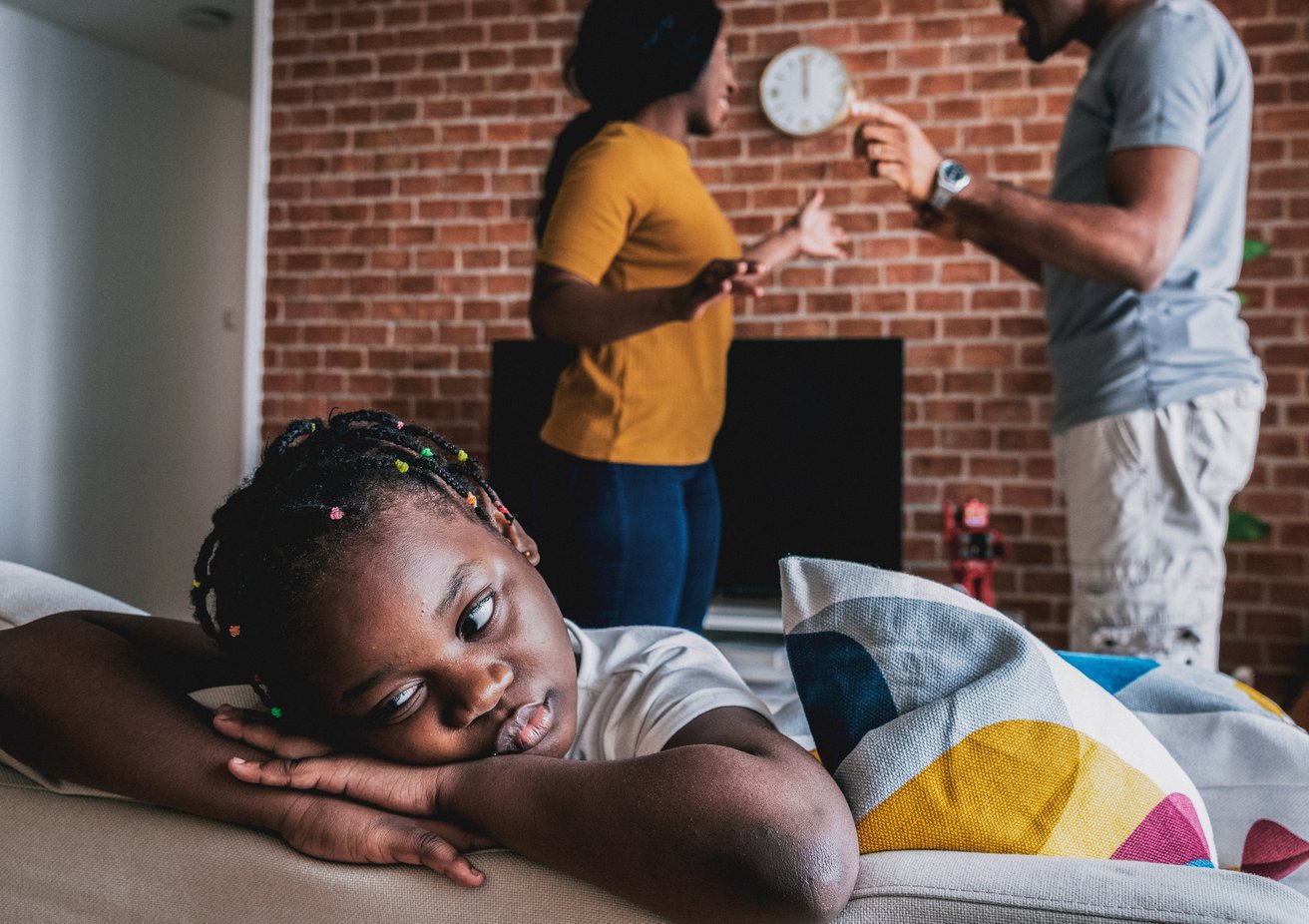
In some cases, a child may think of therapy as a betrayal, especially if it involves discussing difficult feelings concerning a parent or a divorce. They may worry that opening up may upset the parent they feel loyal to or that they are "choosing sides" by attending therapy. This fear increases if one parent is openly critical of the other.
Sometimes, it's a combination of reasons that may make your child reluctant to attend therapy. Fortunately, there are several things you can do to encourage your child to give counseling a try.
Lead with empathy and open communication
When discussing therapy with your child, it's important to present it as a positive tool for their well-being. The way you approach this topic can make all the difference in their willingness to go.
When bringing therapy up, make sure to choose the right time and place. Bedtime, dinnertime, and times of conflict are not the right times to talk about it. Make sure they are relaxed and that there is no need to rush through the conversation.
Never brush your child's feelings under the rug. When you make "you" statements, they can sound accusatory, and your child may get defensive. Instead, "I" statements work better, such as "I hear you say you don't want to go because there's nothing wrong with you."
While you may not agree with their stance, reflecting on how they feel with these kinds of statements shows that you are genuinely listening to what they have to say and acknowledging how they feel, rather than judging them.
Demystify and destigmatize therapy
One of the reasons many kids refuse therapy is because of misconceptions they may have. By normalizing therapy as something that lots of people do (including famous people) to learn new skills and cope with difficulties, you can help reduce the stigma around it.
Try to compare therapy to sports coaching, but instead of training an athlete for a physical sport, a counselor helps people train their brains on how to change thinking patterns and behaviors. Explaining counseling in an age-appropriate way can help your child better understand what therapy is all about.

Offer choices and build agency
By offering your child choices, they have a better sense of control over the process. Get them involved in searching for the right therapist by going online and exploring your options. Some therapists offer a brief consultation call where your child can get a feel for them before committing to a session.
Therapists use different types of techniques when working with kids. You can involve older kids in selecting the type of therapy they’d like to try, such as asking them whether they prefer online counseling or face-to-face in-person therapy.
You can also start with a trial period. Suggest that your child give therapy a "test drive" for a couple of sessions and then reflect on how they feel. In some cases, getting your child involved in the process is all you need to get them to try it out. Sometimes, getting to the first conversation is the hardest. Once they get that out of the way, they might feel less resistant to counseling in general.
Consider alternative approaches
For some kids, the whole idea of sitting in a room with a stranger to talk about their feelings is scary. There are other options you may want to try that don't seem as intimidating to them, like group therapy, online therapy, or family therapy.
Your child's school counselor is another option for addressing short-term school-related challenges. Let them know their counselor is always available to talk about whatever they are feeling at school. You can even discuss your child's reluctance to attend therapy with their school counselor to see if they can provide any other community resources for your family.

When to be firm: boundaries for health and safety
Sometimes, it's okay to wait for your kid to come around to the idea of therapy. However, there are times when therapy is necessary to keep your child safe, and this is when you must be firm. These situations include:
- Threatening to hurt themself
- Threatening to hurt other people
- Threatening to hurt animals or family pets
- Severe and uncontrollable anger
- Physical aggression, like punching walls
- Putting themselves in dangerous, high-risk situations
If your child is self-harming or is talking about suicidal thoughts, these are mental health emergencies, requiring immediate action. Call or text a crisis hotline (like 988), go to the emergency room, or call emergency services.
After a mental health crisis, going to therapy is non-negotiable to ensure your child remains safe. These symptoms are serious, and mental health treatment is necessary.
Finding the right therapist match
Getting your reluctant child to go to therapy is hard enough, which is why it is so important to match them with the right mental health professional. The quality of your child's relationship with their therapist is one of the strongest predictors of successful therapy outcomes. When your child feels safe and understood by their therapist, their connection grows stronger, and they are more likely to participate in the sessions.
Here are several signs of a good match that you might notice after a few sessions:
- Your child feels safe and comfortable sharing their feelings with their therapist.
- They do not dread going to therapy and may even look forward to their sessions.
- They actively participate in the process.
- They mention therapy outside of sessions in a positive way (such as saying they enjoy talking to their therapist).
- You notice small, positive shifts in your child's behavior and confidence.
- The therapist speaks with you often about your kid's progress.
- The therapist understands your child's personality and issues and uses age-appropriate, evidence-based methods.
Remember to always go with your gut feeling. If something feels "off" or if you don't think the therapist "gets" your child, it may not be the right match. In this case, you should discontinue therapy and try to find a different provider who will be a better match.

Leveraging school and community resources
If your child or teen refuses counseling (and they aren't in crisis), there are other resources you can use to improve their mental health.
School-based resources are a good starting point. A child’s or teen's school guidance counselor can offer support in a familiar environment, which may be less intimidating for your child. Some schools also partner with external mental health programs. Your school counselor can provide you with more information about what's available.
Peer support groups are another helpful alternative to individual therapy. Connecting your child with other kids who face similar struggles can be very helpful, especially for teenagers.
Another option to consider is community health centers. These centers are designed to serve everyone in your community. A community health center can connect your family with mental health services and help with referrals and care coordination with other community groups and state agencies.
Lastly, you can always have a conversation with your child’s doctor or your teen’s doctor for advice on how to proceed, and even for referrals for trusted mental health treatment professionals.
Final thoughts on what to do if your child refused therapy
Your child needs to see therapy as a positive step towards good mental health to get anything out of it. But if they feel forced to go to counseling, they’ll be more likely to see it as a punishment. If you threaten to send them to therapy as a consequence of their behavior or bring it up during fights, your child's resistance will likely continue to grow.
Remember, never make threats or punish your child for refusing to get therapy.
Getting angry with your child only worsens their fear and negative feelings toward therapy. It can make some of the issues your child may be dealing with even worse (like anxiety or behavior problems). Although it’s an uphill battle, you'll be much more successful in the long run by having a positive attitude, staying calm, and talking openly about feelings.

How Emora Health can help
If you're ready to start care for your child, get matched with a therapist who accepts insurance at Emora Health. Our large network of therapists and psychologists specializes in working with kids and teens. They can help your child receive the help they need to make positive changes in their mental health. Plus, with online therapy, your child or teen may feel more comfortable opening up to a therapist in a familiar environment where they feel safe, rather than an unusual office.
Need help finding a therapist? Our intake specialist can help you get personally matched to one of our mental healthcare providers based on your child's needs. Get started today to have your child’s first session within 48 hours.