Stress Management For Kids: Practical Tools and Tips For Parents
Help your child manage stress with practical tips and techniques. Discover effective strategies to support their emotional well-being.
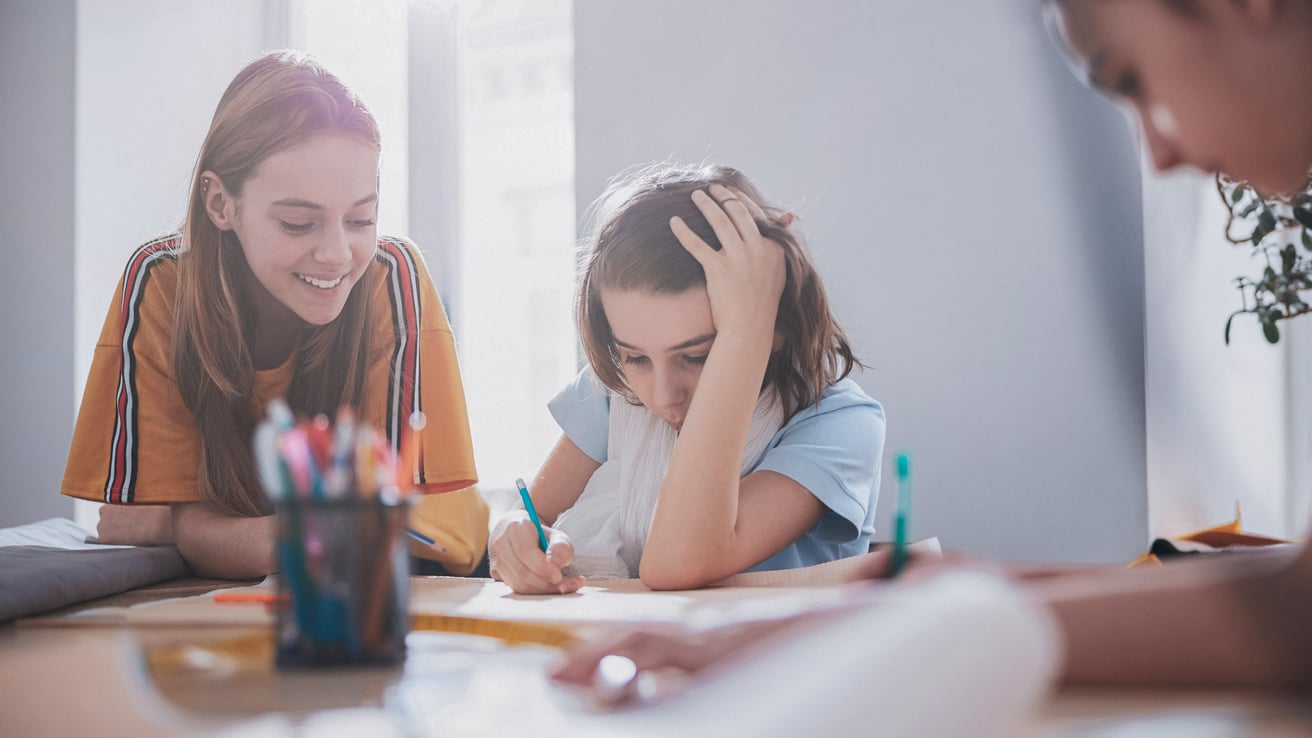


Everyone feels stressed sometimes, even children. The key is knowing how to handle those feelings. Stress management for kids is an essential skill that can help them protect their mental, emotional, and physical health.
In this blog, we’ll review how to recognize signs of stress in kids and offer advice on how to help them build emotional resilience and overcome challenging situations.
Key takeaways:
- It’s normal for kids to experience stress from time to time, but prolonged and unmanaged stress can affect a child’s quality of life and well-being.
- Parents can teach their child healthy coping skills to lower stress and help them solve problems without feeling overwhelmed.
- If your child’s stress is significantly impacting their quality of life, consider working with a mental health professional. Play therapy, family therapy, and CBT may all help reduce stress.
Importance of stress management for kids
Stress is a normal response to expectations, challenges, and change. For example, it’s common for kids to feel nervous before trying a new sport or worried about how to navigate their first day of school. This type of stress is usually temporary and may actually help build confidence and resilience.
That said, there’s a big difference between normal and harmful stress. Overwhelming or long-term stress is associated with a range of mental and physical health concerns. Without the right coping skills, this type of stress can affect a child’s relationships, school performance, and daily functioning.
Fortunately, stress management is a skill that you can develop over time. Showing your child how to manage their stress can help them handle big emotions in a healthy way. Instead of shutting down or lashing out, they’ll learn to calm their body and mind so they recognize what’s causing their feelings.
Research shows that knowing how to regulate emotions may help with focus, mood, and self-esteem in kids. It can also help your child build confidence to problem-solve and ask for help when they need it.
Understanding types of stress in kids
Children and teens can experience several types of stress, including:
Positive stress
We often think of stress as something negative, but it isn't always a completely bad thing. In small doses and with the right support, stress can actually help your child develop inner strength and motivate them to reach their goals.
Tolerable stress
Tolerable stress refers to more serious stressors, such as losing a loved one or breaking a bone. Although these events are more serious, the experience can feel manageable when a child has supportive people in their life.
Toxic stress
Toxic stress is the result of recurring or prolonged exposure to traumatic events without appropriate treatment and emotional support. This includes events like abuse, neglect, mass violence, and life-threatening accidents.
When a child experiences this type of prolonged stress, it can affect their ability to trust adults, make friends, and focus at school. It can also lead to risky behaviors and long-term health problems.
Signs your child is stressed
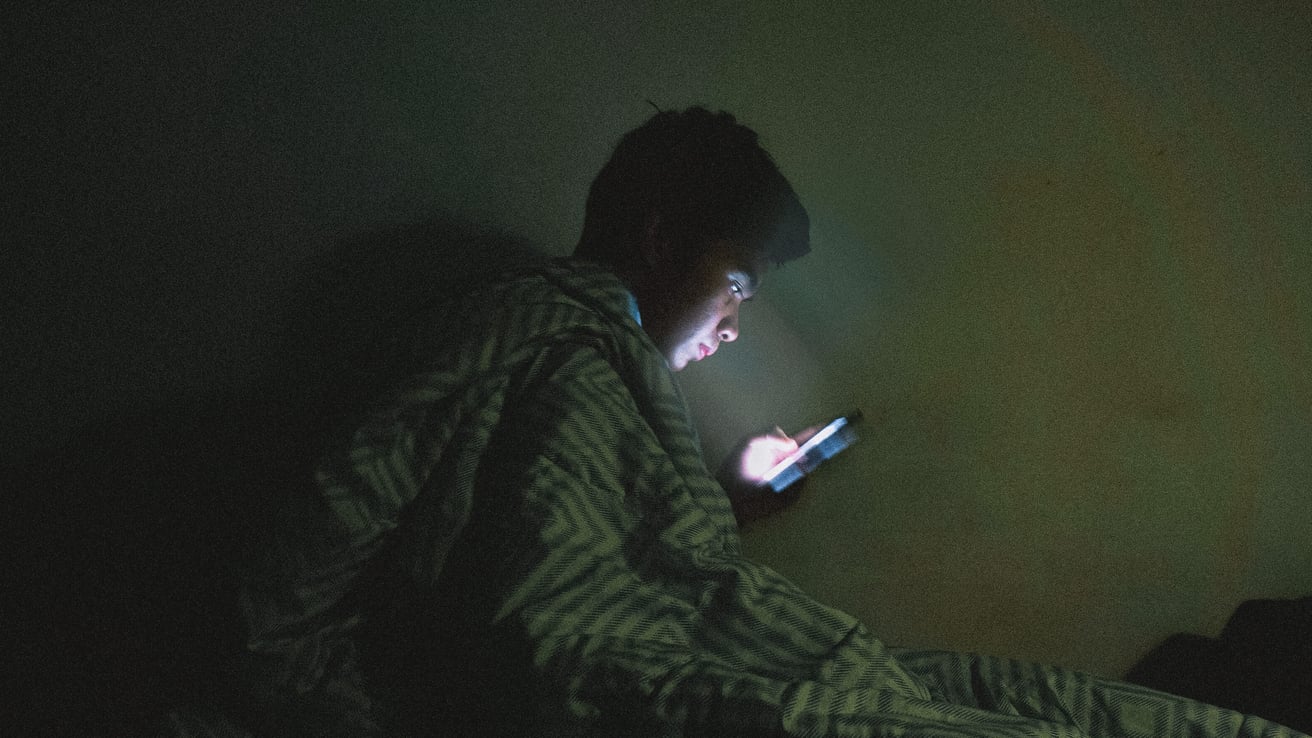
It’s not always obvious to parents when their child is feeling stressed or overwhelmed. In some cases, your child may not even realize it themselves. Here are some physical, emotional, and behavioral symptoms of stress in kids.
Physical reactions to stress include:
- Changes in eating habits, such as decreased appetite
- Headache
- Nausea or upset stomach
- New or recurrent bedwetting
- Nightmares
- Difficulty sleeping
- Other physical symptoms with no apparent cause
Emotional or behavioral symptoms include:
- Anxiety
- Worrying and not being able to relax
- New or recurring fears, such as being afraid of strangers or the dark
- Being overly clingy
- Crying or whining more than usual
- Stubborn, angry, or aggressive behavior
- Difficulty controlling their emotions
- Neglecting responsibilities like homework and chores
- Reverting to behaviors from when they were younger
- Not wanting to spend time with family or participate in school activities

9 stress-relief techniques for kids
If you’ve noticed that your child seems stressed, one of the best things you can do is provide them with the skills to cope with their feelings. What works well for one child may not be the right fit for another, so consider exploring these nine stress-relief techniques with your child.
1. Belly breathing
Practicing mindfulness is a great way for kids to calm their bodies and manage big emotions. One example is belly breathing. To get started, ask your child to get into a comfortable position. From there, they:
- Place one hand on their belly and the other on their chest
- Slowly breathe in through their nose and watch their belly fill up like a balloon
- Make an “O” shape with their lips as they slowly blow the air out through their mouth
2. Progressive muscle relaxation
Progressive muscle relaxation (PMR) helps release tension and stress from the body. With PMR, you target each individual muscle group to slowly relax your whole body.
Ask your child to sit or lie down in a comfortable position, then walk them through each part of their body. For example, pretend they’re squeezing a lemon in each hand, then release the lemon so their hands feel loose. Next, have them pretend they're a sunflower, reaching their arms over their head as high as they can. After a few seconds, they can soften their shoulders and bring their arms back to their side.
You can also look on YouTube or meditation apps for guided progressive muscle relaxation videos or audios to help.
3. Guided imagery
Another way to manage stressful situations is to pretend you’re somewhere else. By creating a calming mental escape, you can focus your attention on something other than the distress you’re experiencing in that moment.
To get started, your child will close their eyes and think of something relaxing. For example, a sunny beach day or a favorite family hike. Once they've chosen an image, ask them to reflect on what they see, smell, feel, and hear. They may even want to recite a mantra like "I am loved."
4. Creative expression
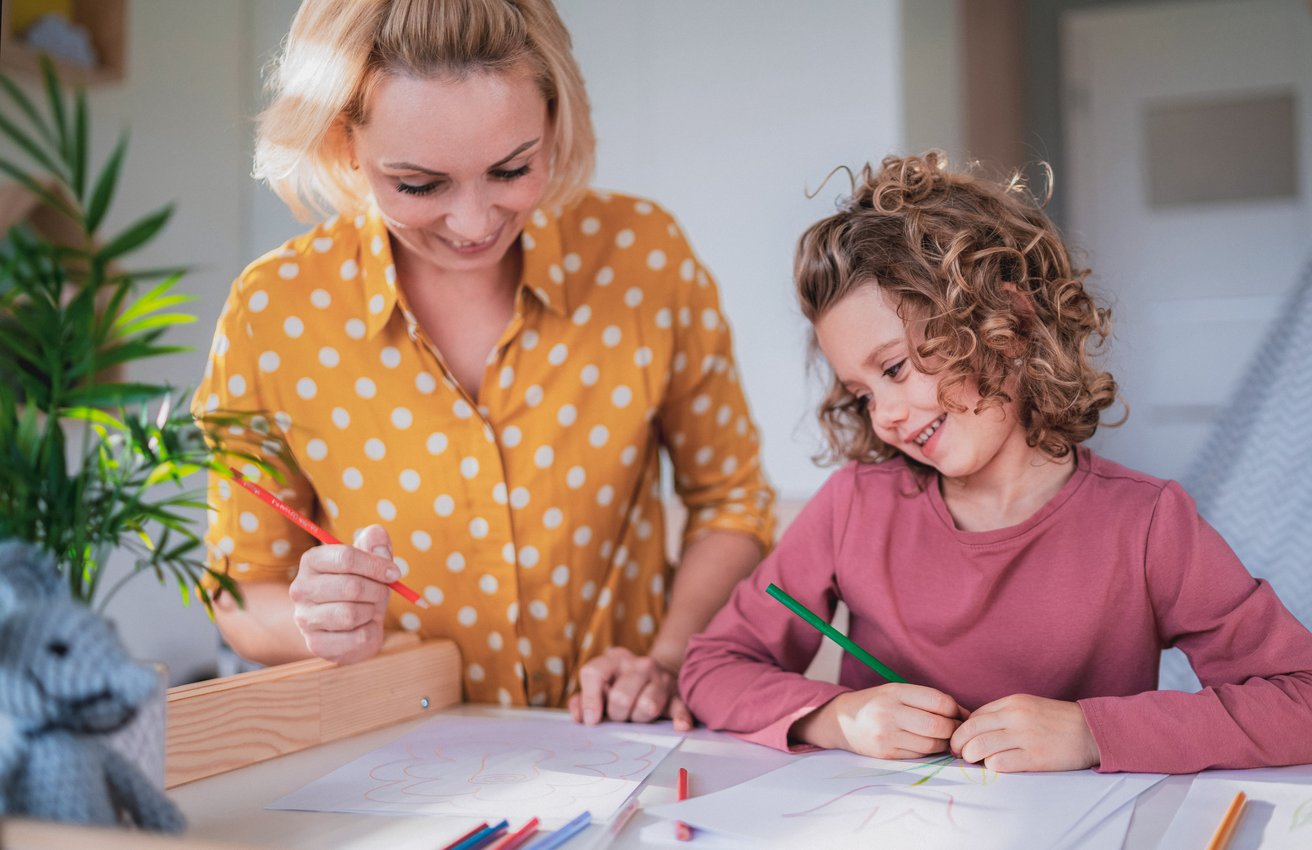
If your child has trouble talking about their feelings, encourage them to put them on paper instead. For some kids, keeping a journal is an easy way to reflect on their day and how it makes them feel.
Drawing is another creative option. Research shows that drawing to distract yourself from tough emotions is an effective way to improve your mood. If your child isn’t sure how to get started, offer them a prompt. For example, you can tell them to draw a picture of their happy place or the people and things that they love.
5. Daily gratitude
It’s easy to dwell on things that feel hard or scary, so remind your child to focus on the good in their life. This might mean starting the day with positive affirmation or journaling about what they’re grateful for each night before bed. You can also make it a family practice by creating a communal gratitude jar where everyone can share what makes them feel happy and healthy.
6. Play and physical activity
Some kids may find it easier to express their thoughts and feelings through play. Whether it’s participating in team sports, a family dance party in the living room, or unstructured play with friends, having a physical outlet can help kids reduce stress levels.
7. Grounding techniques
Ground techniques can help your child bring their focus to the present moment. One exercise that is considered effective for kids is the 3-3-3 rule:
- Name three things you see
- Name three things you hear
- Move three body parts
8. Brain breaks
Remind your child that there’s nothing wrong with giving their mind a little rest. After a long day at school, encourage them to take a short brain break before diving into homework or other responsibilities.
You and your child might take a walk around the block, making a point to observe what you find. For example: Do you see any leaves on the ground? Smell any flowers? Feel the sun on your face? Brain breaks can also be creative, such as 5 minutes of coloring or listening to music.
9. Create a safe space
Life can get hectic, so it’s important that your child has somewhere they feel safe, such as their bedroom or even the backseat of your car. Their safe place might include comfort items, such as a soft blanket and their favorite stuffed animal, as well as sensory tools, such as a stress ball or fidget toy. Knowing they have a designated place to calm down can make a meaningful difference in how they process their stress.
Building resilience at home for children and teens
Children who feel supported by the adults in their lives are often better equipped to cope with stressful situations.
Here are several ways you can model healthy behaviors that promote emotional growth and resilience.
Consider your own coping skills
Think about the last time you felt stressed. Did you take a few deep breaths or resort to unhealthy coping methods? Kids notice everything, so be mindful of how you handle challenging feelings and situations.
Prioritize open communication
Here are a few tips to help you connect with your child.
- Talk about your day and then ask your child to do the same. You might ask specific questions like “What made you feel happy today?” and "Was there anything that made you feel frustrated or overwhelmed?”
- It’s difficult to talk about feelings when you don't have the vocabulary to voice your concerns. If your child doesn’t understand the word “stressed,” consider words like “worried,” “sad,” or “frustrated.”
- Consider when you have important conversations. Younger children may find it easier to talk about feelings when they’re cozy on the couch or right before bedtime.
- If your child is struggling with a specific issue, look for ways to help them feel less alone. For example, you might read a book about a child going through something similar, which might help them feel more comfortable sharing their experience.
Make time for self-care
Self-care means making time for activities that benefit your physical, mental, emotional, and spiritual well-being. While we commonly discuss self-care as something for adults, it’s just as important for children and teens. Regular self-care can help your child build resilience and manage their stress in healthy ways. This involves habits such as getting quality sleep, limiting screen time, and engaging in physical activity.
When to seek professional help
As a parent, it can be challenging to understand if your child’s behavior is developmentally appropriate or a sign of an underlying concern. If you’re on the fence, here are some signs that it may be worth seeking professional support.
- They're having difficulty in multiple areas of life, such as both home and school
- Their stress is so overwhelming that it interferes with daily functioning
- Stress is impacting their self-esteem or sense of worth
- Their stress is associated with a life event like divorce, death of loved one, or bullying
- You've noticed self-destructive behaviors or signs of self-harm
Working with a mental health professional can help your child identify the source of their stress and develop healthy coping methods for those feelings. The exact therapeutic approach will depend on several factors, including your child’s age and specific concerns. Some techniques include:
- Cognitive-behavioral therapy (CBT): This approach helps your child identify and change negative thought patterns contributing to their stress.
- Play therapy: The therapist uses structured toys and activities to help children process their emotions, which is helpful for younger children.
- Family therapy: With a therapist’s support, families can learn to improve communication, manage conflict, and create a more supportive environment.
How Emora Health can help with childhood stress and anxiety
Everyone feels stressed sometimes, but it’s important that your child has the right resources and support to cope with those feelings. Learning how to manage stress and other big emotions is important for their mental, emotional, and physical well-being. If your family is looking for stress-management support, know that Emora Health can help.
Emora Health connects children, teens, and parents with licensed behavioral health providers, such as therapists, psychologists, and psychiatric clinicians. They’re experts in evidence-based treatments like CBT and social skills training to help young people better manage excess stress, depression, and anxiety disorders. Plus, Emora can connect your child with a provider who is right for them in 48 hours or less — all from the comfort of your home.
Learn more about Emora Health and get started today.

Looking for support?
Check availability and book your next appointment.
Or browse child therapists in Florida
Also available in Child Therapists in Texas, Child Therapists in Illinois, Child Therapists in North Carolina, Child Therapists in Georgia, Child Therapists in Ohio, Child Therapists in Missouri, Child Therapists in Arizona, Child Therapists in Wisconsin, Child Therapists in South Carolina and Child Therapists in Indiana.