Choosing the Best Depression Medication for Children: A Parent’s Guide
Unsure how to treat depression in your child? Learn about pediatric depression medications, safety risks, and how therapy and medication work together for recovery.


At a Glance
- Depression is common among children and adolescents. The latest statistics (from 2023) show that 18% youth aged 12-17 experienced a major depressive episode.
- It’s treated with one or a combination of medications and therapy.
- Clinicians typically start with first-line medications that have been well-studied for depression in kids and teens, like SSRIs.
- If SSRIs are not well tolerated or effective, other options may be prescribed off-label.
- One of the most important parts of treatment is staying on top of ongoing follow-up appointments. These are very important to monitor for side effects and serious issues like suicidal thoughts or behaviors.
Depression in children and adolescents is more common than many parents realize, and effective treatments are available. Still, many parents feel uncertain about antidepressant medications, in part because the topic can be confusing
In this article, we’ll go over what the research says about medications for depression in children. This will help you decide what is right for your child or teen. Our goal is to provide you with clear, helpful information so you can make a reasonable, informed decision.
Depression in children and teens: An overview

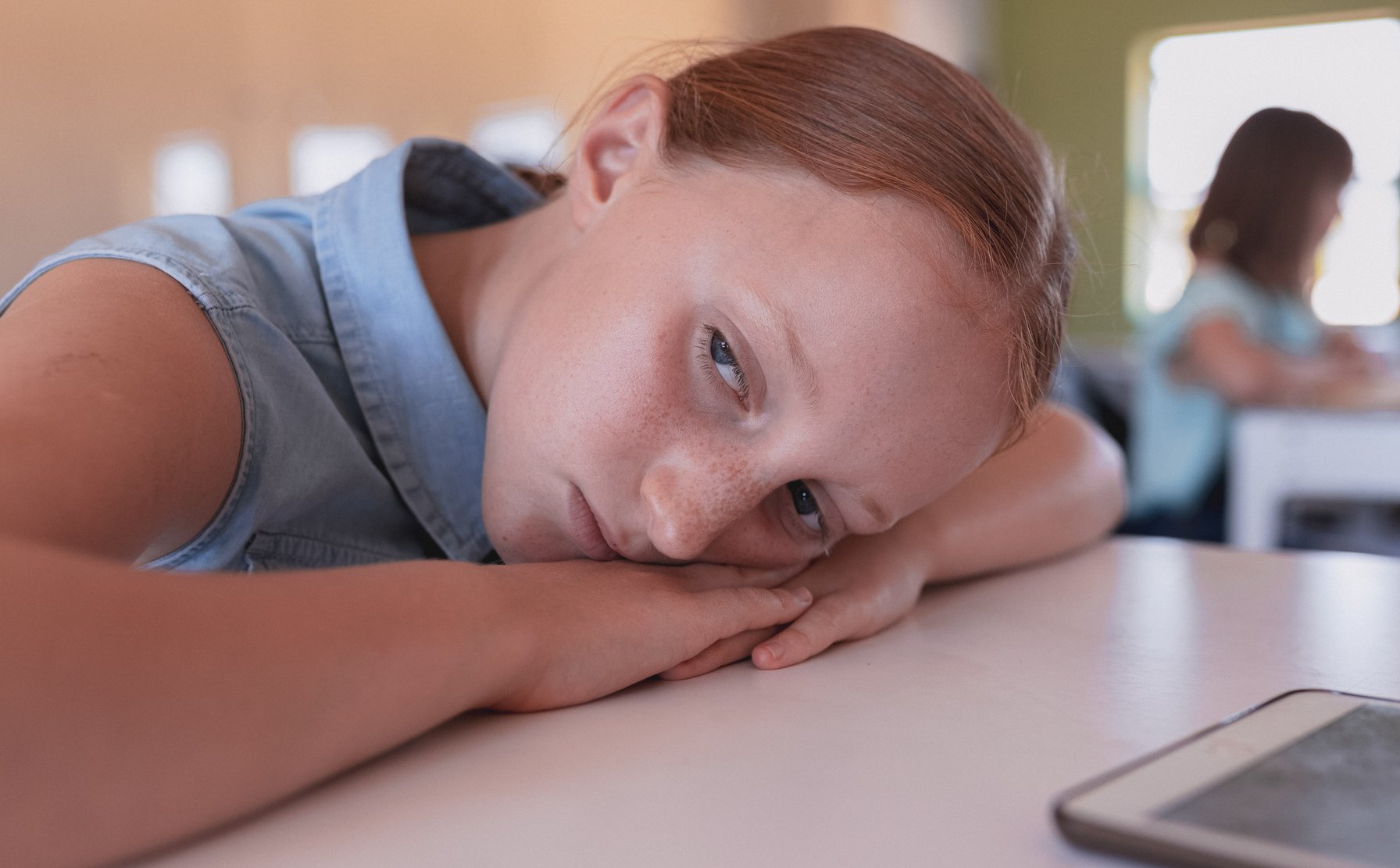
Childhood depression goes far beyond typical adolescent or teen moodiness. It’s quite common for kids and teenagers to have temporary periods of irritability, social withdrawal, and general sadness.
Clinical depression, on the other hand, is a serious mental health disorder that greatly impacts multiple parts of a child’s life. They may complain of feeling exhausted yet be unable to sleep. Tasks at school that were once easy may seem completely unmanageable.
Depression can also significantly disrupt their relationships with peers and siblings. Things that used to bring joy, they may no longer care about. When it is not properly treated, depression can last for weeks or months.
So, how common is childhood depression really? Approximately 18% of youth aged 12-17 experienced a major depressive episode in 2023 (most recent data available)
Depression is a significant risk factor for suicide in teens, making it an important condition to take seriously.
The good news is that early identification, ongoing support, and effective treatment can greatly reduce risk and help young people recover.
First-line medication options

First-line medications are those that are most often used for childhood depression. These medications have decades of solid research that support their use in pediatric patients. Many kids and teens see benefits in these medications.
Selective Serotonin Reuptake Inhibitors (SSRIs)
SSRIs are recommended as a first-line treatment for depression in children. These medications have robust research backing their effectiveness. While their exact mechanism of action is not fully understood, SSRIs are thought to help by increasing the availability of serotonin, which is a
Of all of the medications for depression, these medications have the strongest evidence for both safety and effectiveness in kids and teens.SSRIs take approximately four weeks to begin working. It may take up to 12 weeks to see the full benefit. Prescribers typically start dosing low and titrate it up gradually. This helps reduce potential side effects.
Here’s an important note:
While all SSRIs carry a black box warning related to suicidal thoughts and behaviors in youth, the overall risk is low and most often seen early in treatment. The purpose of this warning is to ensure careful monitoring and open communication.
Untreated depression also carries real risks, including increased suicidal ideation, which is why early and ongoing care is so important.
Fluoxetine (Prozac)
Fluoxetine is an SSRI. It is one of the most commonly prescribed antidepressants for children and adolescents. This drug has strong research to support its effectiveness in pediatric depression. It is FDA-approved for treating depression in children who are 8 years of age or older.
One advantage of fluoxetine in children is that it has a long half-life. This means that it stays in the body longer. This reduces the risk of withdrawal symptoms if the medication has to be lowered or discontinued altogether.
Like all medications, there is a risk of side effects with fluoxetine. The most common ones are changes in sleep, headaches, and nausea. It can also cause restlessness or “activation” in some children. These side effects tend to disappear as the body adjusts to the medication.
Escitalopram (Lexapro)
Escitalopram is FDA-approved for the treatment of depression in adolescents who are age 12 and older. It has fewer drug interactions compared to some of the other antidepressants. For this reason, escitalopram may be a better choice for children and teens who take other medications.
This drug is fairly well-tolerated in most people. But, like any medication, there is the risk of side effects. These include gastrointestinal symptoms like nausea and vomiting. Fatigue is common, as well. The side effects tend to be mild and disappear after a couple of weeks.
Sertraline (Zoloft)
Sertraline is an SSRI. However, it is not FDA-approved for pediatric depression specifically. Regardless, it is often used off-label for this purpose. That is because it has strong clinical research to support its effectiveness, particularly when anxiety is also present.
Similar to the other SSRIs, sertraline can cause gastrointestinal issues such as diarrhea and stomach pain. It also causes sleep disturbances. These are especially prominent during early treatment. The good news is that gastrointestinal side effects are often milder when the medication is taken with food, and many symptoms lessen as the body adjusts.
Secondary and adjunct medications
Sometimes SSRIs are not effective or well-tolerated. When that happens, clinicians may try other medications.
SNRIs
Serotonin–norepinephrine reuptake inhibitors (SNRIs), such as venlafaxine (Effexor), are drugs that increase both norepinephrine and serotonin levels in the brain. These neurotransmitters are involved in mood, focus, and energy.
SNRIs require close monitoring due to concerns about blood pressure changes and other side effects. Therefore, they are typically used with older adolescents or teens who have tried other medications first and have treatment-resistant depression. Like SSRIs, SNRIs also have a Black Box warning for an increased risk of suicidal thoughts and behaviors.
Bupropion (Wellbutrin)
Bupropion is often prescribed off-label when depression shows up with poor concentration, low energy, or when it overlaps with ADHD symptoms.
Unlike the other antidepressants (SSRIs and SNRIs), bupropion does not target serotonin. Instead, it works on norepinephrine and dopamine. These neurotransmitters are involved in focus, reward, and motivation.
The downside is that bupropion can be activating for some adolescents and teens. It can cause restlessness, irritability, and anxiety in some kids, especially early in treatment. For this reason, it’s typically not a first-line medication with adolescents and teens who have a history of significant anxiety symptoms.
As with all antidepressants prescribed for kids and teens, bupropion causes suicidal thoughts or behaviors. For this reason, careful follow-up is very important.
Mirtazapine (Remeron)
Mirtazapine is an antidepressant that is sometimes used to treat pediatric depression when appetite and sleep are concerns. It is sedating at lower doses, and it also increases appetite, which can cause weight gain.
It works differently from other antidepressants, particularly SSRIs and SNRIs, as it increases norepinephrine and serotonin signaling. Additionally, it blocks serotonin receptors that can contribute to nausea, anxiety, and insomnia.
That said, there are potential side effects. And, careful monitoring is important, especially when balancing the benefits against metabolic or weight-related concerns.
Newer Antidepressants
Vilazodone (Viibryd) and Vortioxetine (Trintellix) are two newer antidepressants that are sometimes prescribed off-label for depression in adolescents and teens. At this time, neither vilazodone nor vortioxetine is FDA-approved for depression. That is due to a lack of strong research in the pediatric population. They are not usually the first treatment in children. They are typically reserved for complex cases.
Vortioxetine and vilazodone may be considered (for children and teens) when:
- One or more first-line medications (such as escitalopram) have been tried and are ineffective
- When symptoms include more complex issues like cognitive complaints
- In cases of treatment-resistant depression
- There are significant side effects from other antidepressants
When used in adolescents or teens, these medications are typically prescribed by a psychiatrist rather than a nurse practitioner or primary care doctor.
In younger patients, potential side effects include gastrointestinal issues like diarrhea, upset stomach, or nausea. These medications can cause sleep disturbances in some people. Irritability, sadness, and other mood changes can also occur. These are more likely early in treatment
As with all antidepressants, close monitoring for suicidal thoughts or behaviors is important with both vilazodone and vortioxetine.
Why early treatment is key
Untreated depression in children and teens can cause many long-term problems, such as academic problems, poor social skills, and an increased risk of self-harm and suicide.
Getting help early can improve mental health outcomes over the long term.
How therapy and medication work together

Medication is vital when it comes to treating depression. But it is only one part of the treatment.
Research consistently shows that medication combined with therapy produces the best outcomes for pediatric depression.
Cognitive Behavioral Therapy (CBT) for depression has years of strong evidence for its effectiveness in children and teens. Behavioral therapy is also very helpful when it comes to improving symptoms of depression. This type of therapy may involve parents, as well.
So, “Is therapy enough on its own?” It may be, in some cases, when depression is mild. However, in cases that are moderate to severe, a combination approach that combines medication and therapy typically has the most effectiveness.

Personalize a treatment plan with a licensed clinician
Explore therapy, medication, or other options for your child and determine the best next step through a personalized clinical session.
Choosing the right medication
Choosing the right medication for an adolescent is based on a careful evaluation of symptoms, history, and safety. It’s a highly personalized process. The ultimate goal of this process is to reduce depressive symptoms and improve daily and overall functioning.
5 Things to consider
- The severity of depressive symptoms
- Child’s developmental stage and age
- Functional impairment (problems at school, etc).
- Self-harming behaviors or suicidal thoughts
- Family history of medication response
Psychiatric evaluation and consent
Before your child is prescribed medications for depression, they should have a thorough psychiatric evaluation. This will help you better understand the medication options, risks, and benefits.
A healthcare provider or psychiatrist will consider your child’s medical history, co-occurring conditions, and emotional development. This evaluation will help the provider determine whether medication is appropriate and, if so, which option is safest.
Start a Psychiatric Medication Management Intake today.
Monitoring, titration, and tapering
Medication is not a “set it and forget it” treatment. Regular follow-up visits, especially during the first 4–8 weeks, allow providers to monitor for side effects, adjust dosing as needed, and evaluate how well the medication is working.
Typically, medications are adjusted or titrated gradually. Tapering is usually done gradually (over 6-8 months), as well, to reduce withdrawal effects and to monitor for signs of symptom increases.
Safety monitoring and potential side effects
Antidepressants, including SSRIs, SNRIs, and vilazodone and vortioxetine, have an FDA boxed warning for suicidal thoughts and behaviors. These are most likely to occur during the first 4 to 8 weeks of treatment. It is important to note that large clinical trials of SSRIs in children and adolescents did NOT show an increase in completed suicide or suicidal behavior.
Some of the possible side effects of antidepressants include appetite changes, diarrhea, constipation, nausea, sleep changes, headaches, and dizziness. Most of the time, the side effects are mild. Often, they disappear after a couple of weeks or with dosage changes.
How Emora Health can help
Emora Health offers both therapy and medication management for children, adolescents, and teens on a single virtual platform.
- What makes us different from other mental health providers is our approach. Our therapists and prescribers collaborate closely and work with you to develop a thoughtful treatment plan focused on your child’s personalized needs. Our methods are grounded in scientific evidence, not guesswork.
- You’ll feel supported from the first evaluation throughout the entire process. We actively educate families every step of the way. That way, you understand how to best support your child.
- Clear communication ensures you know what to expect. We believe that clear communication and shared decision-making with families are important.
If you are ready to get started, you can quickly get a Cost Estimate for Therapy, Medication & ADHD/Autism Testing.
A quick note:
This article is not a substitute for medical advice. It’s educational information only. If you are concerned that your child may have depression, reach out to your child’s doctor or a mental health provider for advice.