
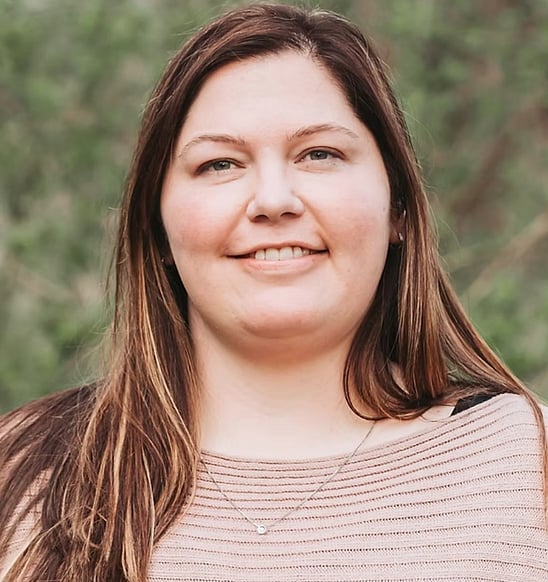
Amanda Landon
A Safe Place to Talk and Grow
Virtual sessions · Illinois
Accepts insurance
Empathetic
Non-judgmental
Supportive
Biography
I am dedicated to providing compassionate and empathetic care to individuals navigating life's challenges. My clinical practices specialize in helping children, adolescents, and adults build resilience and develop healthy coping mechanisms for anxiety, trauma, grief, and depression. Guided by an integrative approach and tailored to meet my clients needs, I collaborate with my clients with a supportive, non-judgmental presence designed to foster lasting personal growth.
Specializes in
Treatment Method
You can talk to your therapist in your first session about which approach would be the best fit for you.
Style
Cultural fit
Communities I have meaningful experience working with.
Education
MA, Clinical Mental Health Counselor
University of the Cumberlands · 2024
Frequently asked questions
What does our first session look like?
Welcome! I am so glad you are here. Our first session is mostly about getting to know each other and ensuring you feel safe and comfortable in this space. We will briefly cover some basic paperwork and confidentiality, but the main focus is just to hear your story. You are the expert on your own life, so there is no pressure or specific agenda. You share whatever you feel ready to share, and we will work together to understand where you are right now and where you want to go.
How long does therapy typically take?
Therapy is a tailor made experience. You set the pace that feels natural and organic to your growth. My goal is to provide efficacious and efficient care that mentors you to develop independent care.
How often will you communicate with me as a parent?
For ages 4-11, I provide regular updates and/or we can schedule parenting consultations sessions. My aim is to always work collaboratively because as they say "it takes a village."
How do you handle confidentiality with teens?
For ages 12+ I view our work as a partnership, and your support is incredibly valuable. Because therapy requires a deep sense of trust, I keep what your child shares private, unless there is a safety concern—in which case, I will contact you immediately. This keeps you connected to the overall themes we are working on without breaking your child's trust in this safe space.
How will I know if therapy is working?
You will know therapy is working when you begin to notice positive changes. This includes relief from symptoms that were troubling, harmful, or even impairing to your life.
What would it be like for you to feel less stressed, handle hard feelings better, and know coping skills that navigate you to peace within the storms?
How do you decide together when therapy is done?
Therapy is done when you have reached your goals, you use your tool independently in daily life, and feel confident to handle stress on your own. That being said, while I hope you commit to your therapy, I am an advocate for your autonomy, and that means I can provide referrals to another counselor if you feels like you are not making the progress you would like to see, I can refer you to other resources to enhance treatment, and if you would like to pause or terminate your services, you are free to.
My only goal is to see you reach your goals.
Do you give homework or practice between sessions?
Yes. Homework is the practice that makes the therapy transform into natural behaviors and by creating independently driven routines, we reinforce lasting growth. Homework is thoughtfully designed to be age appropriate and to foster growth and build confidence, not to become a major hassle to you.
Some examples: thought records, journaling, short exercises, and calm down plans
What if my child or teen won't open up to you?
It is completely normal for a child or teen to feel nervous when starting therapy. Building trust with a young person takes time. Emora Health offers numerous resources within the platform for activities and I am committed to fostering a safe and empathetic space for building therapeutic rapport.
Book session
Next available: Aug 24
More child & family therapists in Illinois

Emma Palmer, LCSW
Building Connection, Creating Change

Elaine Smith, LCPC
Helping Teens & Adults Heal from Trauma, Anxiety, Stress, and Life Transitions

Takahya Mcintyre, LCSW

Robert Lemus, LCSW

Summer Mohammad-Rashid, LSW
Empowering adolescents and young adults to embark on journeys of self-discovery.

Darnise Horne, LSW
Walking With You Through Healing, Growth, and Self‑Discovery