Stay-at-Home Mom Depression: Signs, Causes, and How to Cope
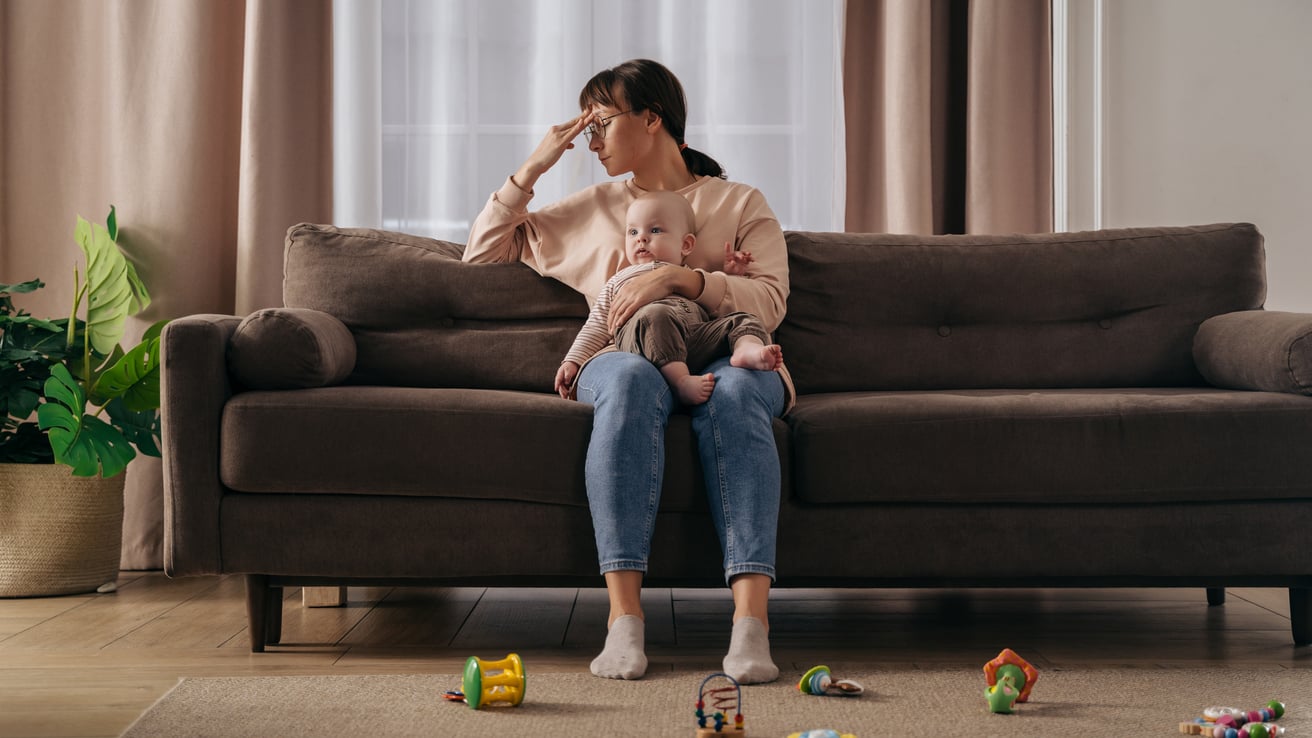
If you're a stay-at-home mom and you've been feeling depressed, you might have “stay-at-home mom depression.”
The good news is that stay-at-home mom depression is treatable. Read on to learn more about what stay-at-home mom depression is and how to deal with it.


Key Takeaways
- Stay-at-home mom depression does not make you a bad parent.
- Depression and burnout are different. Depression is a diagnosable mental health condition.
- Emora specializes in treating depression in parents.
What is stay-at-home mom depression?
Stay-at-home mom depression refers to clinical depression experienced by many stay-at-home moms. “Stay-at-home mom depression” isn't an official diagnosis, but the depression itself is real and common. Feeling this way doesn't mean something is wrong with you as a mom.
In fact, a Gallup poll found that stay-at-home moms (SAHM) report 10% more sadness and 5% to 7% more anger day-to-day than moms who are working or women without children. So if you're a SAHM and have been feeling consistently and relentlessly low, irritable, empty, or hopeless, you're certainly not alone.
As a mom, it's tempting to blame yourself for not being the “perfect parent,” especially when you're feeling depressed.
But depression is not a character flaw — it's a diagnosable mental health condition that's more than just being tired and overwhelmed.
Jennifer Clark, a licensed clinical social worker, has worked with many women experiencing depression while staying home to care for their children. “I have worked with mothers who experienced feelings of sadness, irritability, guilt, isolation, and a loss of identity after becoming stay-at-home parents,” she explains. “Many describe feeling emotionally exhausted, disconnected from themselves, and overwhelmed by the constant demands of caregiving, even though they deeply love their children.”
Signs of stay-at-home mom depression
The signs are the same as those of major depression; they just show up in the context of stay-at-home parenting.
You may have stay-at-home mom depression if you:
- Feel sad or empty most of the time
- Have lost interest and pleasure in things you used to like
- Feel consistently numb, irritable, or anxious
- Feel hopeless, worthless, or helpless
- Have difficulty sleeping or sleep too much
- Feel fatigued or noticeably slowed down
- Have changes in appetite
- Have unexplained aches and pains
- Have trouble concentrating or remembering things
- Have thoughts of self-harm or suicide
This list is not a diagnostic tool. If several of these signs last most days for two weeks or more, talk to a licensed clinician.
If you are thinking about harming yourself, call the Suicide and Crisis Lifeline at 988 or text “HOME” to the Crisis Text Line at 741741. Reaching out is a sign of strength.
Why stay-at-home moms are vulnerable to depression
Women are already nearly twice as likely to experience depression as men are. But stay-at-home moms face their own unique challenges.
- Isolation: As a SAHM, you often have very little adult contact in your life. This can lead to extreme loneliness, which can cause and intensify depression.
- Loss of identity: You had your own identity and life before you became a mom, and it's easy to lose sight of that. Many stay-at-home moms grieve that loss.
- Loss of career: One of the things that might have defined you — your work — is also lost when you become a stay-at-home mom. This can also lead to grief and the feeling like you don't know who you are, which can contribute to depression.
- Invisible, unrecognized work: It's hard to be a SAHM. A lot is expected of you, and it usually comes with little to no recognition or thanks. You can feel invisible and unappreciated.
- No breaks: Being a stay-at-home mom is a full-time job, but you never clock out. There's no end-of-day handoff, which can leave you drained and overwhelmed.
- Monotony: Routine is great for kids, but it can also make you feel stuck. Doing the same things day in and day out, especially if you're only doing things for others and not yourself, can wear on anyone.
- Financial dependence: As a SAHM, you're inherently relying on your spouse financially. This can make you feel trapped, or like your autonomy has been taken away.
- “Perfect mom” pressure and comparison: You want to be the best mom you can be, but your standards are likely too high. Comparing yourself to other, “better” mothers and not giving yourself grace when you make a mistake adds a weight you don't deserve to carry.
Depression vs. burnout and ordinary exhaustion
The key difference between depression and burnout or exhaustion is that burnout and exhaustion can go away with time and rest; depression does not.
Burnout/Exhaustion | Depression |
|---|---|
Situational (only exists in the context of parenting) | A diagnosable mental health condition that often benefits from treatment |
Often resolves with rest and support | Doesn't go away with a vacation, a nap, or a babysitter |
Can still enjoy other things that make you happy | Unable to enjoy things that used to make you happy |
If you think you might be burned out rather than depressed, you're not alone. Parental burnout is common and very treatable. Learn the warning signs in our guide to parental burnout.
Keep in mind that some parents experience both parental burnout and depression at the same time.
How to cope with stay-at-home mom depression
Stay-at-home mom depression can feel impossible to climb out of, but small steps really can help.
- Reconnect with who you are beyond “mom.” Pick up a hobby you used to enjoy. Read a book about the field you used to work in. Plan a date night with your partner.
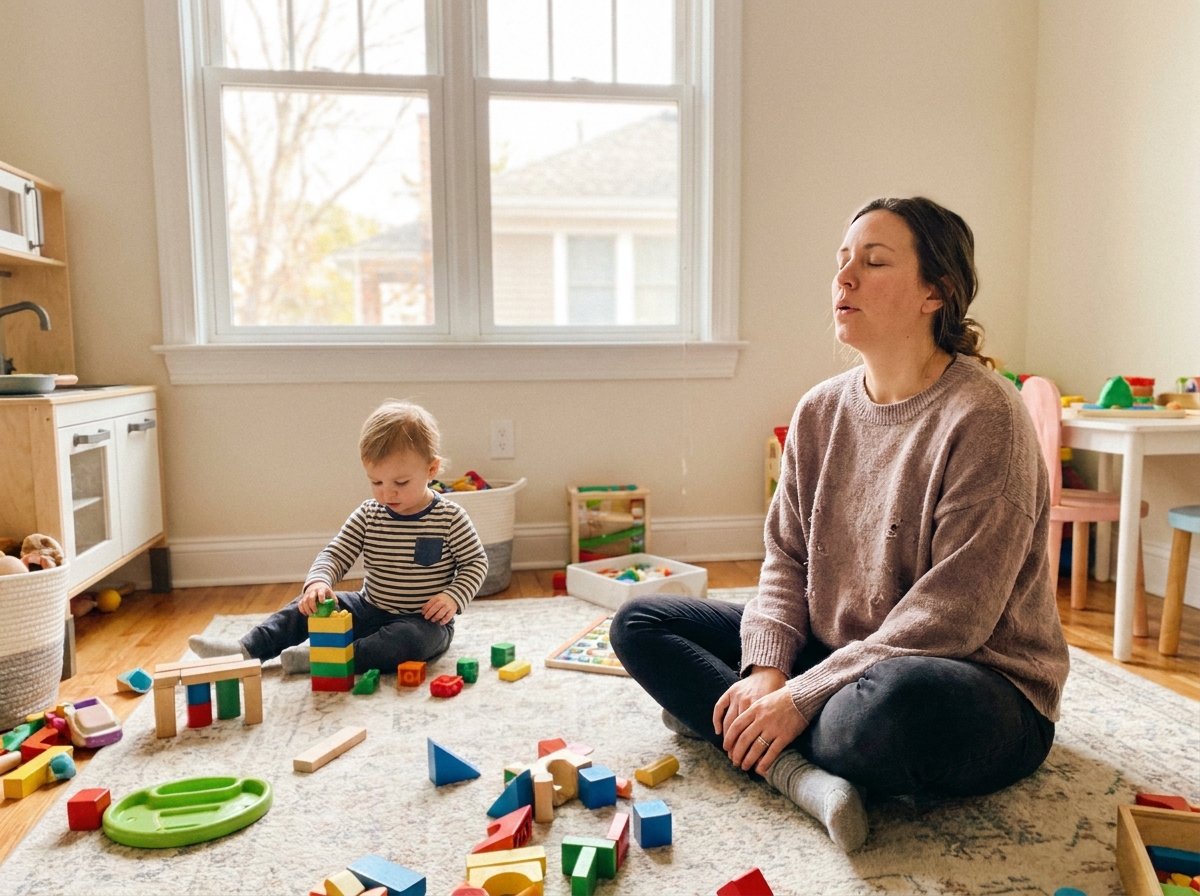
- Get small, real self-care: This doesn't just mean take a bubble bath. Set two minutes aside each day to do some deep breathing and regulate your nervous system. Tell your partner they're in charge of figuring out dinner while you take a nap.
- Build adult connection: Reach out to friends you haven't seen in a while (they'll be glad to hear from you). Strike up a conversation with another parent at the playground. Volunteer for the PTA bake sale to meet other parents.
- Set boundaries: Don't be afraid to say no (for example: if you can't handle that bake sale right now). Tell your partner explicitly which responsibilities you can and cannot take on. If you plan a break in your day for some alone time, stick to it.
- Accept help without guilt: If your mother-in-law offers to babysit the kids for a night, take her up on it. If your friend offers to bring you a casserole for that week's dinner, say yes please and thank you. Ask a neighbor if your child can carpool to school with them in the mornings. Needing help is not a sign of weakness or failure; accepting help when you need it is a sign of strength.
- Get outside and move: Regular physical activity can help improve mood and reduce symptoms of depression. Commit to leaving the house at least once every day, even if it's just to walk to the curb and back. A walk around the block is ideal.
- Loosen the “perfect mom” standard: No mom is perfect. Say that to yourself, out loud if you need to. When a mistake happens or a problem arises, remind yourself that you are doing the best you can. Ask yourself: “If this happened to someone else, would I judge them?” Chances are the answer is no.
- Reach out for professional support: When living with depression, real mental health care is key. Find a therapist and commit to seeing them regularly. If your therapist thinks you'd benefit from medication alongside therapy, look for a psychiatrist. Together, you'll find ways to manage your symptoms until you're feeling better.

How it affects your kids and family
When you're depressed, everything in life becomes more difficult, and that includes parenting. It's perfectly understandable to not be on top of things like you used to be or not be as involved or attentive as you were before you started feeling depressed. Your kids and partner will likely notice you're having a hard time and will worry about you, even though they can't fix it for you.
“Depression can affect the entire family,” explains Clark. “A parent experiencing depression may have less emotional energy, increased irritability, or difficulty being fully present. Children often notice these changes, and family relationships can become strained.”
However, there's hope. “When a parent receives support, it often improves the well-being of the entire household,” Clark says.
That's why it's so important to get support as soon as possible. Your kids get their mom back, and you get back what depression took: joy, connection, a sense of purpose.
By caring for yourself, you also model to your kids what good mental hygiene looks like. So if they ever need help, they won't be afraid to ask for it.
When to get help, and how therapy helps
If your depression has lasted multiple weeks, is affecting your daily life, or you feel hopeless, it's time to see a therapist.
In therapy, you'll work with your clinician to identify stressors and negative thought patterns that are contributing to your depression, and come up with practical ways to deal with them. Actionable coping tools like mindfulness exercises and planning how to delegate responsibilities will make it easier to manage the day-to-day issues that depression causes.
A therapist will also make space for you to fully feel and process your emotions. It may not feel safe to do this at home — you might not want to cry in front of your kids, or holding back feelings and powering through is the only way you make it through the day — but therapy creates a safe place for this. A therapist will support and guide you through these feelings so that you come out the other side feeling lighter.
“We explore the thoughts and emotions contributing to depression, identify unhealthy patterns such as perfectionism or excessive guilt, and develop healthier coping strategies,” says Clark, describing what she does in therapy sessions with her clients. “We also work on rebuilding a sense of identity outside of the parenting role, improving communication with partners and loved ones, strengthening support systems, and creating realistic self-care routines.”
If you're ready to talk to someone, Emora can help. We handle the work of finding the right therapist, so you can focus on feeling better. And when you feel better, your family feels better, making therapy for moms important for both you and your loved ones.
This content is for informational purposes only and does not constitute medical advice. If you have concerns about your mental health, consult a licensed clinician.

Looking for support?
Check availability and book your next appointment.
Or browse therapists for parents in Florida
- Therapists for Parents in Florida
- Psychologists for Parents in Florida
- Psychiatry for Parents in Florida
Also available in Therapists for Parents in Texas, Therapists for Parents in Illinois, Therapists for Parents in North Carolina, Therapists for Parents in Georgia, Therapists for Parents in Ohio, Therapists for Parents in Missouri, Therapists for Parents in Arizona, Therapists for Parents in Wisconsin, Therapists for Parents in South Carolina and Therapists for Parents in Indiana.