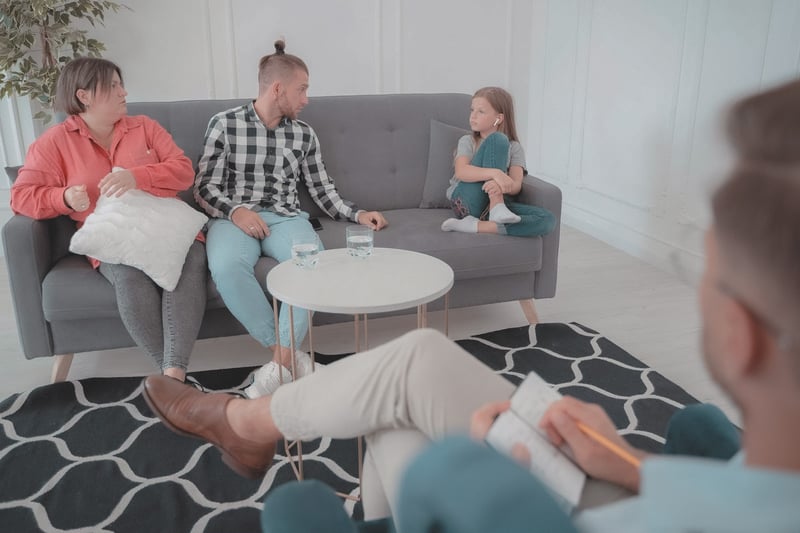
Family Dynamics: Types, Roles, and How to Improve Them
Family dynamics are the patterns, roles, and relationships that exist among family members or within a family unit.
Read on to learn more about what family dynamics are, the different roles each member of your family might play, and how to improve the way your family functions.


Key Takeaways
- Family dynamics are the patterns, roles, and relationships in a family.
- Any family structure can be healthy or unhealthy, or a mix of both.
- Individual therapy helps you change your part in the family to alter an unhealthy dynamic.
What are family dynamics? And what shapes them?
Family dynamics are the patterns of behavior of each family member, the individual roles each person plays within the family, and the interpersonal relationships each member of the family has with each other.
Dynamics can be healthy or unhealthy, or a combination of both, but they're not set in stone.
Recognizing the way your family functions and making different choices around the way you talk or behave with members of your family can help change your family's dynamics.
This is especially important for those experiencing household dysfunction, as a 2025 study found that 47% of children exposed to major dysfunctional dynamics, such as parental unemployment and separation or divorce, had at least two of the same kinds of overlapping issues in adulthood.
There's as many different types of family dynamics as there are families, and there are plenty of factors that shape them. These include:
- The role each person plays within the family
- Communication patterns, or how each member of the family talks to (or doesn't talk to) the others
- Family rules, both spoken and unspoken
- Who in the family holds the authority or power
- The emotional climate of the family, such as warm and comforting or critical and harsh
Family systems theory was developed to better understand and influence family dynamics. This theory is based on the idea that the way family members interact has an effect on each individual's emotional well-being and behavior, both inside and outside the family.
Family systems theory explains that family members are interconnected and dependent on each other emotionally. This means that if one family member changes, each relationship within the family and the family's dynamics as a whole can also change. That's why individual therapy can be so valuable when trying to alter unhealthy family dynamics. The actions of one family member can influence everyone else.
Types of families
Some common family structures are:
- The nuclear family: Two parents (of any gender) and their children
- Single-parent family: One parent and their children
- Blended family/step-family: Two parents and their children from previous relationships
- Co-parenting: Separated couples raising children together from different homes
- Multigenerational: More than two generations living together (such as grandparents, parents, and children)
- Foster/adoptive: A parent or parents caring for children in foster care or adopting a child who is not biologically related to them
One key thing to remember is that the structure of a family has no inherent bearing on the family's dynamics. Any type of family structure is just as likely to have warm and healthy or cold and unhealthy dynamics.
Common family roles
While every family is different, family systems theory suggests that there are some traditional, predictable roles that family members tend to fill that contribute to unhealthy family dynamics.
Role | What it looks like |
|---|---|
The hero | Takes it upon themselves to protect or balance out the family, often by over-achieving and striving for perfection. Often, but not always, the firstborn child. |
The scapegoat | The person the family blames when things go wrong, whether or not it's true. Preserves the status quo in the family dynamic. |
The lost child | Becomes “invisible” and doesn't ask anything of anybody in order to survive an unhealthy dynamic. Having no needs is easier and safer than taking up space. |
The mascot | The “class clown” of the family who uses humor and charm to distract from the dysfunction. Often associated with the youngest child, though any family member can take it on. |
The enabler/caretaker | Excuses or covers up problems in the family and therefore prevents change. A “survival” role. |
The peacemaker | Feels responsible for relieving tension in the family, often by people-pleasing. Another survival strategy. |
“Family roles often develop as a way to help the family cope with stress, conflict, or instability,” says Jennifer Clark, licensed clinical social worker. “These patterns can make it difficult for family members to relate to one another authentically because they are responding from a role instead of simply being themselves.”
These roles are not permanent labels; they describe patterns. Anyone can break out of any of these roles at any time and thereby fundamentally alter the family dynamic.
This is where individual therapy is most useful. It teaches you to recognize the role you've been playing and to actively change your behavior to positively influence the way your family interacts.
Healthy vs. unhealthy family dynamics
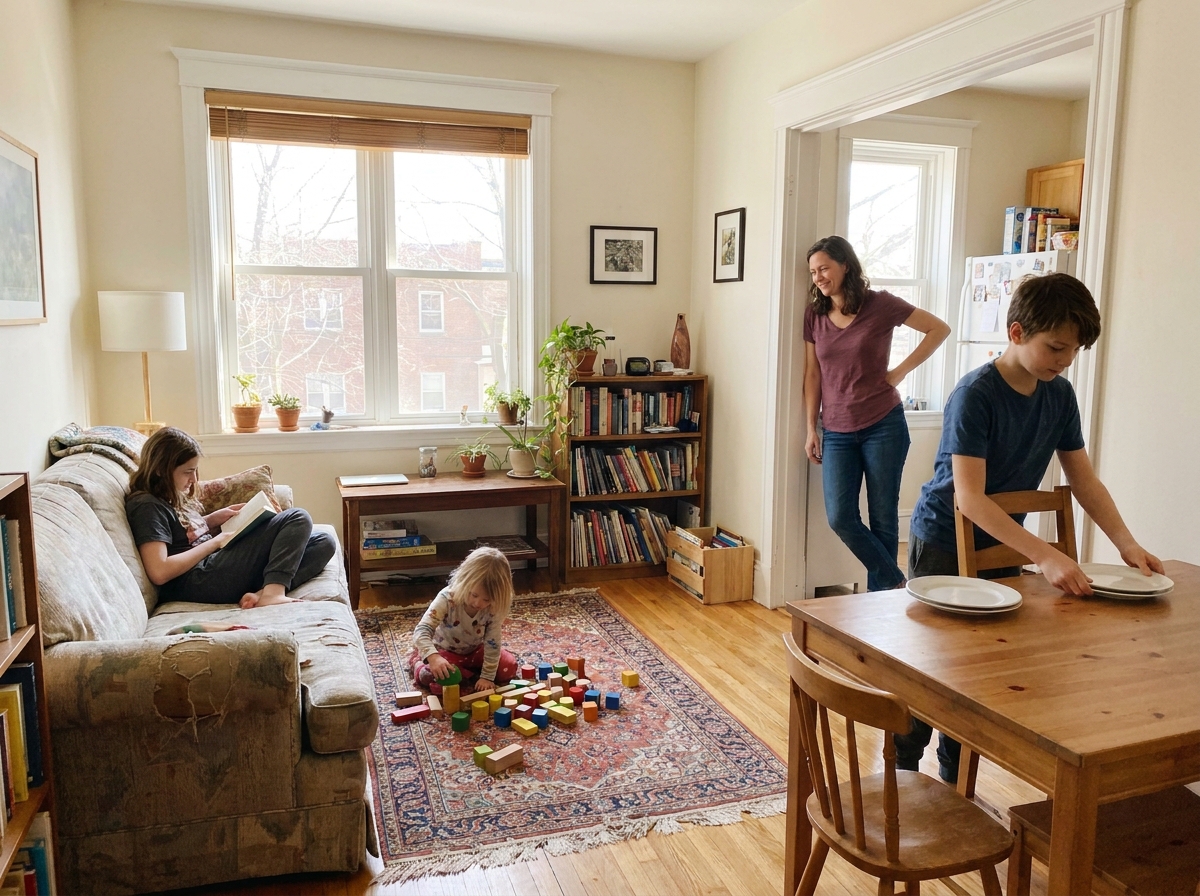
There are very clear indications of both healthy and unhealthy family dynamics.
Healthy | Unhealthy |
|---|---|
Safety: You feel accepted and understood by your family and can communicate freely what you are thinking and feeling | Fear: Your family's behavior and reactions make you fear for your emotional and/or physical safety |
Warmth: The affection between family members is clear | Constant criticism: Nothing you do is ever good enough and your family makes sure you know it |
Respectful conflict: It feels safe to disagree or argue and you still feel as though your family respects you and is not mistreating you | Blame: Your family blames you for everything that goes wrong or never takes any responsibility when they are at fault |
Repair after arguments: You are never worried that arguing with your family will cause a rift or irreparable damage | Secrets: There is no open communication in the family, you feel the need to hide information and they have no problem keeping secrets from you |
Clear boundaries: You see yourself as an individual apart from your family members and when you communicate what you need your family is respectful of it | Rigid or nonexistent boundaries: Your family cannot adapt to changes or new information that would mean they need to alter their behavior; or you have to take on the worries and problems of your family members and there is little to no privacy |
Regarding boundaries: every family can be placed on a spectrum between “differentiation” and “enmeshment.”
Differentiation is healthy: it means that you are able to retain your own identity and sense of yourself as a different person from your family members while still feeling close to them emotionally.
Enmeshment is the opposite: you lose sight of who you are as an individual in the face of the porous boundaries of your family. You take on their problems and feel like there is no emotional distinction between yourself and others.
You shouldn't try to “diagnose” your relatives. Instead, use this information to reflect on the patterns you notice within your own family. Work to understand what you bring to the family dynamic, and how that's affecting your life and the lives of your family members.
How family dynamics affect children and the whole family
The patterns in a family's dynamics directly affect the behavior and wellbeing of children.
“Children are incredibly observant,” explains Clark. “They learn about relationships, communication, conflict, and emotional regulation by watching the adults around them.” Kids pick up on the way a family functions even if the “rules” are never said out loud. These rules shape their sense of security, their development, and their overall mental health.
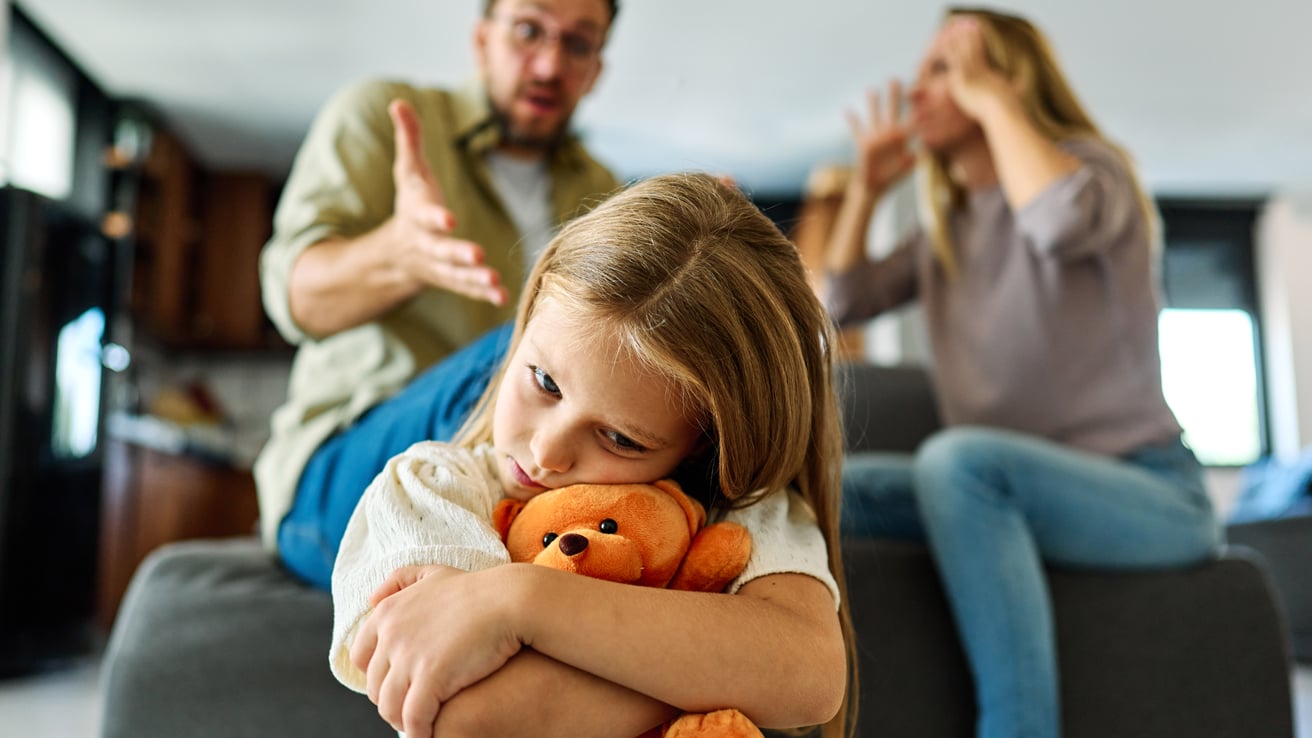
If the family's dynamics are unhealthy, children may not feel secure. This might mean that they never know how a family member is going to react to something they say or do. Having to always be on your toes and therefore living in constant fight or flight mode puts kids on high alert at all times and takes a huge mental toll.
“When there is chronic conflict, unpredictability, or emotional distance, children often adapt in ways that help them survive the environment,” Clark says, “but those same coping strategies can become challenges later in life.”
Children's development is also affected by unhealthy dynamics. If they know they can't count on their parents to care for them, they can become “parentified,” or forced to take on the role and responsibilities of the parent. This requires them to grow up too fast.
Also, the relationships they have with their family members, or lack thereof, influence their relationships later in life. If they learned early and often that love has to be earned and loved ones are unpredictable and unreliable, that's likely how they'll approach every other relationship in their lives.
Kids from families whose dynamics are unhealthy are also at greater risk of experiencing ACEs: adverse childhood experiences. These are traumatic or harmful experiences that occur before the age of 18, and include divorce, abuse, neglect, or witnessing violence in the home.
ACEs are, unfortunately, common: 75% of high school students said they'd experienced at least one ACE, and 25% reported they'd experienced four or more. Children who were exposed to ACEs are far more likely to have mental health problems in the future.
ACEs affect parents too, as these experiences often involve them. A parent in an abusive relationship or living in poverty may unintentionally create and further unhealthy dynamics that they can't control because of their circumstances.
However, many of these challenges can be addressed, and families can build healthier patterns.
Open communication, having a reliable adult to turn to, routines and consistency, affection and unconditional support, and professional mental health care are all protective factors that can reduce the impact of ACEs and mental health issues down the line.
How to improve your family dynamics (what you can change)
There are practical steps you can take to improve your family's dynamics.
- Communicate to understand. Approach communication with your family as a way to better understand what they are feeling and thinking rather than accusing or placing blame. Your curiosity can open the door to more calm and honest communication.
- Set and hold boundaries. Make it clear what you can and cannot do and what feelings you can and cannot hold. Not only does this protect yourself from carrying too much responsibility and emotional weight, but it also models for your family a better way to interact.
- Repair after conflict. After a fight, don't let the anger simmer in silence. Calmly explain how the conflict made you feel and reassure them that you love them. This makes it feel safer to express yourself or disagree in the future.
- Model the change you want. If your family doesn't display affection, make sure to say “I love you” and give hugs. If your family never talks about their feelings, make it a point to share yours. If your family never addresses conflict directly, start the conversation.
- Protect connection. Develop routines together that keep you interacting. Set up one-on-one time to build and preserve relationships.
- Get your own support. Work with a therapist to identify and understand the patterns within your family dynamics and the roles you play that affect them. Come up with actionable steps you can take (like these ones) to change and improve the dynamic.
Remember: you control your part in the family dynamic, not everyone else's. But shifting your behavior within the family can also shift others' behaviors.

When it's affecting your mental health: how therapy helps
If your family's dynamics are making you feel anxious, depressed, or stuck, individual therapy can be a huge help.
Unhealthy family dynamics can certainly take a toll on your mental health. A lack of safety and the need to be on the defensive at all times can put your nervous system into overdrive, which can be simultaneously exhausting and anxiety-inducing. The repeated negative and hurtful actions of your family members can contribute to feelings of depression. And you might feel as though there's nothing you can do to fix any of it.
“While therapy cannot change other people,” advises Clark, “it can help someone stop repeating unhealthy patterns and create opportunities for healthier relationships moving forward. That is often where lasting change begins.”
This is where Emora can help. We offer individual therapy for parents and teens wanting to break free from their family's unhealthy dynamics. We carefully match you with a therapist in-network with your insurance who will work with you to:
- Understand the role you play within the family
- Set boundaries to ensure your own mental well-being
- Respond differently to stressors and triggers to break the cycle of harmful patterns
All of these actions can shift the dynamic in your family and steer the ship on the right course.
Some situations require more than individual therapy. If there is abuse in the household or someone is in danger, contact 988 (Suicide & Crisis Lifeline) or the Childhelp National Child Abuse Hotline (1-800-422-4453).
This content is for informational purposes only and does not constitute medical advice. If you have concerns about your mental health, consult a licensed clinician.

Looking for support?
Check availability and book your next appointment.
Or browse child therapists in Florida
Also available in Child Therapists in Texas, Child Therapists in Illinois, Child Therapists in North Carolina, Child Therapists in Georgia, Child Therapists in Ohio, Child Therapists in Missouri, Child Therapists in Arizona, Child Therapists in Wisconsin, Child Therapists in South Carolina and Child Therapists in Indiana.