


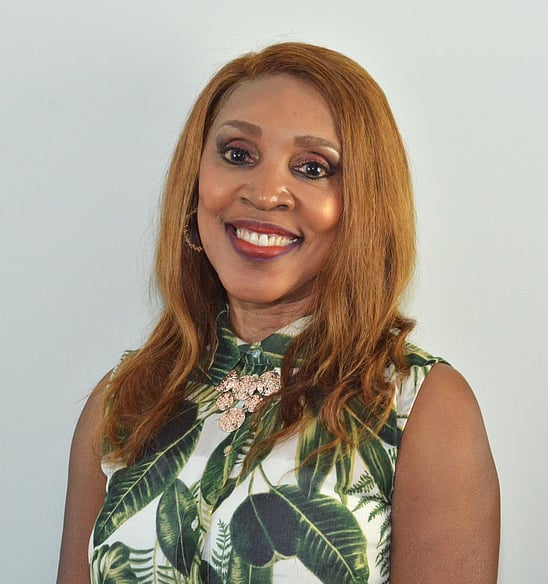
Mira Iheme
Compassionate Care. Meaningful Connection. Lasting Change.
Virtual sessions · Georgia
Accepts insurance
20+ years in practice
Empowering
Encouraging
Solution-oriented
Biography
Hello. I am Dr. Mira Iheme, a Licensed Mental Health Clinician. I also am licensed in multiple states. I am passionate about helping children, adolescents, and adults navigate life's challenges with confidence, resilience, and hope. I have experience working with individuals facing a wide range of concerns, including anxiety, depression, trauma and PTSD, anger management, self-esteem challenges, life transitions, relationship difficulties, and stress-related concerns.
Treatment Method
You can talk to your therapist in your first session about which approach would be the best fit for you.
Style
Education
BA, Sociology and Criminal Law
Spelman College
MS, Mental Health Counseling
Fort Valley State University
Ph.D., Counseling and Psychological Services
Clark Atlanta University
Professional memberships
LPCA-GA · member since 2015
Frequently asked questions
What does our first session look like?
Our first session is an opportunity for us to connect in a warm, supportive, and confidential environment. I will take time to learn about you, understand the concerns that brought you to therapy, explore your strengths and experiences, and discuss what you hope to achieve. Together, we will begin developing personalized treatment goals and a therapeutic approach that meets your unique needs, while ensuring you feel heard, respected, and comfortable throughout the process.
How often will you communicate with me as a parent?
Communication with parents is an important part of supporting a child’s therapeutic progress. I will provide appropriate updates regarding treatment goals, progress, and ways you can support your child at home, while also protecting the privacy and trust that are essential to the therapeutic relationship. The frequency of communication will depend on your child’s age, clinical needs, treatment plan, and any safety concerns, and we will discuss expectations for parent communication at the beginning of services.
How will I know if therapy is working?
You will know therapy is working when you or your child begins making meaningful progress toward the goals we establish together. We will regularly assess changes in symptoms, coping skills, emotional regulation, relationships, daily functioning, and overall well-being. Progress may happen gradually, but I will work collaboratively with you to celebrate improvements, identify ongoing challenges, and adjust the treatment approach when needed to ensure therapy remains purposeful and effective.
What if my child or teen won't open up to you?
It is completely normal for some children and teens to need time before they feel comfortable opening up in therapy. I focus first on building trust and creating a safe, supportive, and nonjudgmental environment where your child can express themselves at their own pace. Through patience, age-appropriate therapeutic techniques, and genuine connection, I work to help each young person feel heard, respected, and comfortable enough to gradually engage in the therapeutic process.
Do you give homework or practice between sessions?
Yes. When appropriate, I may recommend simple, personalized activities between sessions to reinforce the skills we are developing in therapy. These may include practicing coping strategies, journaling, mindfulness exercises, communication skills, emotional regulation techniques, or other age-appropriate activities designed to apply what we discuss in therapy to everyday life.
How do you decide together when therapy is done?
We will decide together when therapy is nearing completion by regularly reviewing your or your child’s progress, treatment goals, symptoms, coping skills, and overall functioning. When goals have been substantially achieved and you feel confident using the skills developed in therapy with greater independence, we will discuss transitioning toward completion. Our final sessions will focus on celebrating progress, reinforcing strategies that support continued well-being, and creating a plan for maintaining those gains after therapy ends.
How long does therapy typically take?
The length of therapy varies because every individual’s needs, goals, and circumstances are unique. Some clients may experience meaningful progress within a few months, while others benefit from longer-term support, particularly when addressing trauma, complex concerns, or longstanding patterns. We will regularly review your progress together and adjust the frequency and duration of therapy based on your goals, clinical needs, and overall well-being.
Book session
Next available: Aug 18
More child & family therapists in Georgia

Sandra Sosa, LMHC, LPC

Sean Stanford, LPC
Helping to build stronger cognitive skills.

Erica Bolston, LPC
Helping Children, Teens & Families Feel Heard, Supported & Empowered

Taria Langston, LPC
Helping Young People Feel Seen, Heard, and Supported

Amanda Torres, LPC

J'haria Dallas, LPC
Helping People Reconnect with Themselves