


Healing is easier when
you're not alone
Small, clinician-led groups for children and teens. Evidence-based, covered by insurance, and built around real connection.





teens, & families

Group therapy, at a glance
6-8
Children per group
50min
Per weekly session
$0-$26
Most families pay
4.94★
Average provider rating
Built for how kids actually grow
Research shows group therapy can be more effective than individual therapy for many kids, and it costs less too.

Shared experience reduces shame
Knowing others face the same challenges breaks isolation. Kids discover they're not the only one. That shift alone changes everything.
More accessible care
Group sessions cost less than individual therapy. Most families pay $5–$26 with insurance. The same quality of care, fewer barriers.
Evidence-based outcomes
Group CBT and DBT are among the most studied formats in mental health, especially for anxiety, social skills, and behavioral challenges.
Real-world practice
Skills are practiced in the moment, with peers rather than just described to a therapist. This accelerates how fast progress sticks in daily life.
Safe, structured environment
Every group is led by a licensed Emora clinician, in a small, structured setting where every child is seen and heard.
Consistency builds outcomes
The same faces, the same space, every week. This recurring rhythm is what makes therapy actually work, and group therapy delivers it reliably.
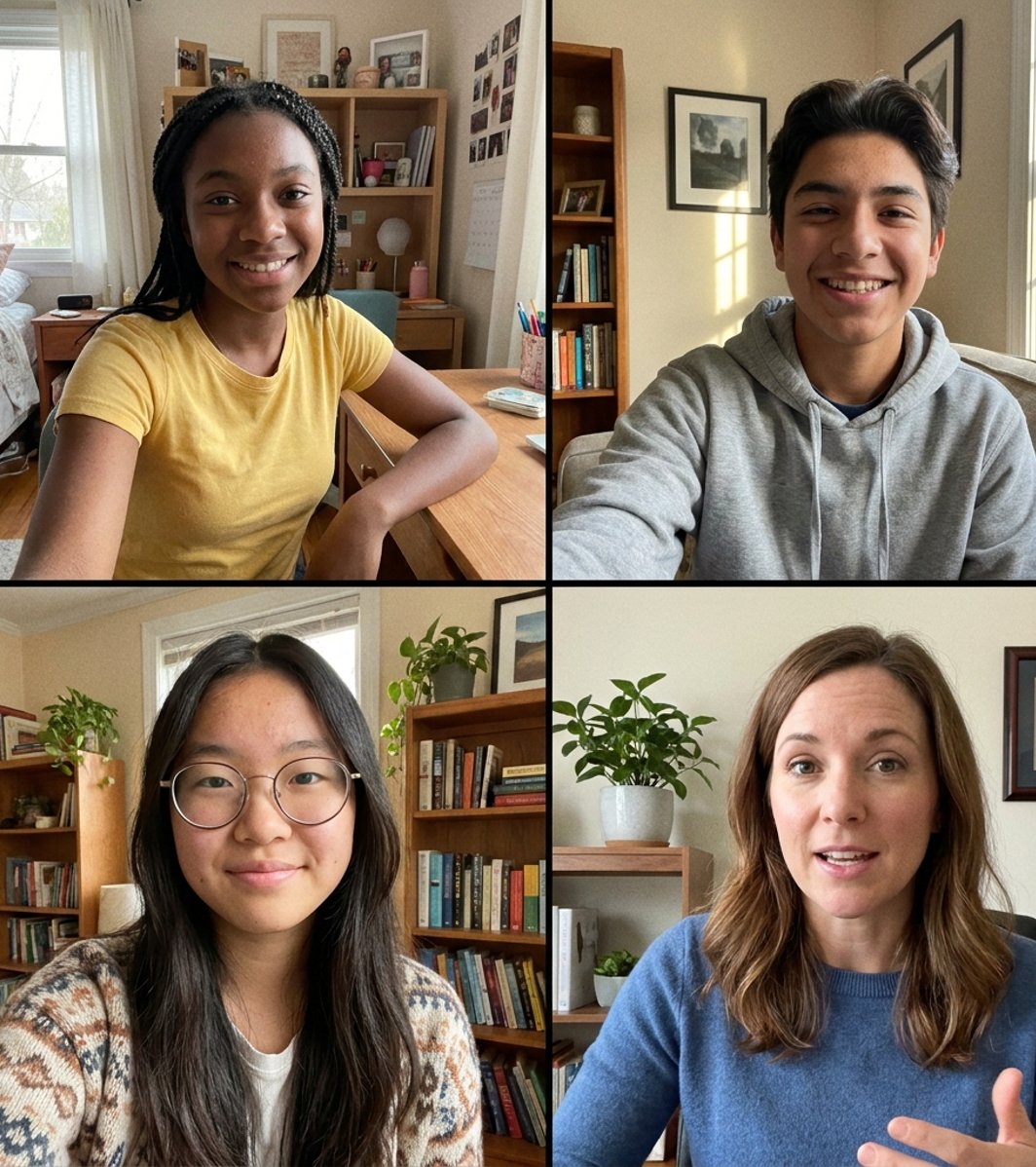
FOR TEENS
A space to be understood
Teens in group therapy often report feeling less alone for the first time. Being heard by peers who truly get it hits differently than being heard by an adult.
Our teen groups focus on real skills: managing anxiety, building social confidence, navigating relationships, and regulating emotions under pressure.
- Ages 13–17, matched by age and presenting concern
- CBT and DBT-informed sessions led by licensed clinicians
- Covered by most insurance plans
FOR KIDS
Learning to thrive, together
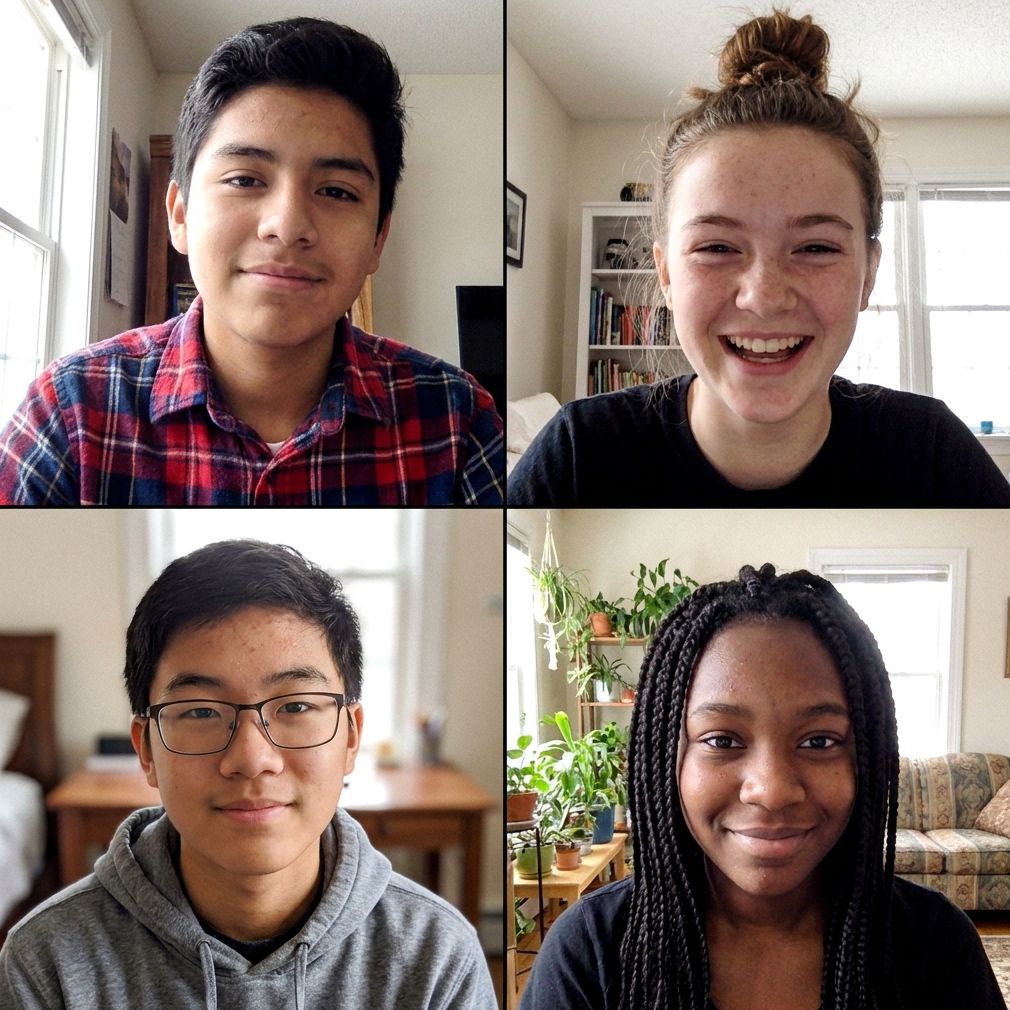
Young children learn best through doing: watching others, trying things, and seeing what happens. Group therapy puts that instinct to work.
Our groups for younger kids focus on anxiety, ADHD skills, emotional regulation, and social confidence in a warm, structured setting.
- Groups for ages 5–7 and 8–12
- Play-based and activity-informed approaches
- All sessions are virtual, no commute, no waiting room

Specialists, not generalists
Every Emora group is led by a licensed clinician with specialized training in the age group and presenting concerns they work with.

Aishah Crosley, LPC
Licensed Therapist · Ages 1 to 25+
ADHD · Anger. Anxiety · CBT · Group specialist

Courtney Trejo, LPC-Associate
Licensed Professional Counselor Associate · Ages 5–25+
ADHD · Anxiety · DBT · CBT · Group specialist

Marilyn Borom, LCSW-A
Licensed Clinical Social Worker Associate · Ages 1–25+
ADHD · Depression · ACT · CBT · Group specialist
Simple to get started
From finding a group to your child's first session, we handle the paperwork.
- 1
Get early access
Tell us your child's age, focus area, and state. No commitment — we'll reach out when a matching group opens.
- 2
We match you
When a group opens that fits, we'll contact you directly. The clinician confirms your child is a good fit before you commit.
- 3
We verify benefits
We check your insurance coverage before your child's first session. You'll know your exact cost upfront.
- 4
Show up
Sessions are online, weekly, 50 minutes. No commute, no waiting room. Just consistent, caring support.

Better together
Many families find that individual and group therapy work differently enough that combining them produces outcomes neither achieves alone.
Individual therapy provides
- Deep, personalized work on your child's history, patterns, and goals
- Private space for things too vulnerable to share in a group
- One clinician who knows your child well
Group therapy adds
- Real-time practice with peers in a social context
- Validation from kids who truly understand
- Relief of discovering they're not alone
Together
- Children build insight individually, practice it in group
- The two approaches reinforce each other
- Especially effective for anxiety, social challenges, and ADHD

Insight meets practice
Individual therapy builds understanding. Group therapy is where that understanding gets tested and strengthened.
Two types of belonging
A one-on-one relationship with a trusted adult, and the experience of being accepted by peers.
Faster progress
Families who add group to existing individual therapy often notice accelerated progress.
More care, lower cost
Group sessions are covered by insurance at a lower copay than individual sessions.
Reinforced outcomes
Children build insight in individual sessions and practice applying it in group.
FAQ
Yes. All group members sign a confidentiality agreement before joining. What's shared in the group stays in the group. The clinician explains this fully in session one. Emora's clinical records are never shared with other families.
Many insurance plans cover group therapy, often at a lower copay than individual sessions. We verify your benefits before your child's first session and let you know your exact cost before you commit to anything.
Missing a session doesn't remove your child's spot. Your clinician will help catch them up at the next session. A $40 cancellation fee applies to sessions cancelled without 24 hours notice.
After you request to join, the group clinician does a brief screen to confirm it's appropriate, considering your child's age, presenting concerns, and readiness for a group setting. If it's not the right match, we'll help you find an individual therapist instead.
Yes. Many families use both. Individual and group therapy serve different purposes and often complement each other well. Your child's individual therapist and group clinician can coordinate care when needed.
It depends on the group format your child joins. Some groups run a structured program over a fixed number of weeks, while others are ongoing. Your clinician will walk you through the expected duration before your child's first session so you can plan accordingly.
It's rare, but it happens. If your child isn't clicking with the group dynamic after a few sessions, talk to the clinician. We can look at whether another group is a better fit, or whether individual therapy might serve your child better right now. The goal is the right care, not just any care.
Individual therapy is one-on-one, where the clinician focuses entirely on your child's specific history, goals, and needs. Group therapy is facilitated by a clinician but happens alongside peers, which adds a dimension individual therapy can't replicate: practicing skills in real time with others, receiving feedback from peers, and experiencing the relief of shared struggle. They work differently, and for many kids, together they work better than either alone.
Yes, and this concern comes up a lot. Clinicians who run groups are experienced at creating space for quieter kids without putting them on the spot. Participation looks different for every child, especially early on. Many shy kids find group therapy particularly valuable precisely because it's a low-pressure, structured way to practice being around peers.
We currently offer groups for younger kids (ages 5 to 7), older kids (ages 8 to 12), and teens (ages 13 to 17). Groups are matched by age so your child is always with peers at a similar developmental stage.