

The grounding exercise seems like it will help. She was really nice.
Parent of a 13 year old · Oct 30, 2026

Helping you sort through the mess and figure out what comes next.
I help adolescents and adults who feel overwhelmed, stuck, anxious, angry, impulsive, or tired of repeating the same patterns. I also work with substance use, family conflict, depression, life stress, and difficulty managing emotions. I have particular experience with teens who are unsure about therapy or have had trouble connecting with therapists in the past. My approach is direct, practical, and supportive, with a focus on what can actually help.
You can talk to your therapist in your first session about which approach would be the best fit for you.
Communities I have meaningful experience working with.
MA, Clinical Mental Health Counseling
Sam Houston State University
BS, Psychology with a minor in Human Services
Sam Houston State University
Working with Substance Use Disorders- 30 Hour Credential Course
Mental Health Academy · 2025
Verified by Emora Health
License: Arizona / LPC-24640
License: Texas / 89669
Licensed Professional Counselor (LPC), licensed in Arizona & Texas · NPI 1487471702
The grounding exercise seems like it will help. She was really nice.
Parent of a 13 year old · Oct 30, 2026
It’s my first time and this was my first session. I feel comfortable enough that I booked another session in a week.
An Adult client · Oct 25, 2026
Great conversation. Thoughtful discussion and probing questions asked to get to the heart of issues. She gives things for me to try implementing before next visit. And we talk through that on the following visit.
An Adult client · Oct 20, 2026
The first session is mostly about getting to know each other and figuring out what brought you to therapy. I’ll ask questions, but I don’t expect you to walk in ready to tell me everything. We start with what is happening now, what you want to be different, and what would actually be helpful.
We’ll look for changes that show up in everyday life, not just whether a session felt helpful. That might mean handling stress differently, communicating more effectively, recovering from strong emotions faster, changing a repeated pattern, or feeling more confident handling difficult situations. We’ll check in regularly about what is helping and what needs to change.
Parent involvement can be important, especially with younger teens, but the amount of communication depends on the teen’s age, needs, and treatment goals. I can help parents understand general progress, concerns, and ways to support their teen without sharing the details of private conversations. I will also communicate when there is a safety concern or another situation that requires parent involvement.
That’s okay. I work with a lot of teens who did not choose therapy or are not sure they want to be there. I don’t force disclosure or expect immediate trust. Sometimes the first step is simply talking about what is happening in their life and building enough of a relationship for the harder conversations to happen later.
I explain confidentiality clearly at the beginning so both the teen and parent understand what is private and what may need to be shared. Teens need some privacy for therapy to be useful. I can discuss general treatment goals and ways parents can help without sharing everything said in session. Safety concerns and other legal or ethical exceptions to confidentiality are handled directly.
Do you give homework or practice between sessions?
Sometimes, but I don’t give busywork. It may be trying a coping skill, paying attention to a pattern, practicing a different response, or having a conversation we prepared for in session. The goal is to make therapy useful outside of the appointment.
There isn’t one timeline that fits everyone. It depends on what you are working on, how long it has been going on, and what changes you want to make. We’ll talk about progress along the way rather than keeping someone in therapy simply because they have been coming for a certain amount of time. If your insurance or another program limits the number of sessions available to you, please let me know so we can plan treatment with that in mind.
We look at the goals we started with and what has actually changed. If you are handling problems more effectively, using the skills on your own, and no longer need the same level of support, we can talk about reducing sessions or ending therapy. It should be a conversation, not a surprise.
Next available: Nov 21
| Self-pay | |
|---|---|
| First visit | $150 |
| Follow-up | $85-$125 |
Kortney (Shay) Simmons sees families on a self-pay basis in Arizona.
With insurance, that is your copay or coinsurance; if your plan has a deductible you haven't met yet, you may pay more until you do. We confirm your cost before your first session. Check your exact cost

Mitsouko Chatelain, LCSW
Therapist
5.0(4 reviews)
Creating Hope. Inspiring Growth. Empowering Change.

Jessica Paris, LPC-A
Therapist
5.0(3 reviews)
Jessica guides clients through the moments when life shifts and old rhythms no longer fit. With a compassionate, reflective style, she supports grief, identity, leadership, and relational challenges—u…
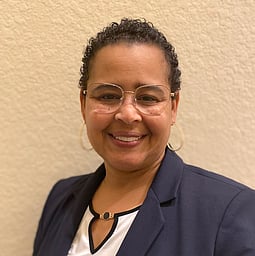
Crachelle Gates, LPC
Therapist
5.0(4 reviews)
Crachelle offers a steady, compassionate presence during life’s hardest and most transformative seasons.She is an LPC who supports children, teens, and adults navigating ADHD, anxiety, depression, gri…

Danielle Minney, LCSW
Therapist
5.0(2 reviews)
Helping People Build Confidence, Agency, and Resilience

Laura Bownds, LPC
Therapist
5.0(7 reviews)
Making Room for Every Feeling, Every Story

Mina Ashfour, LPC
Therapist
5.0(1 review)
Walking with your child on their journey to brighter days