
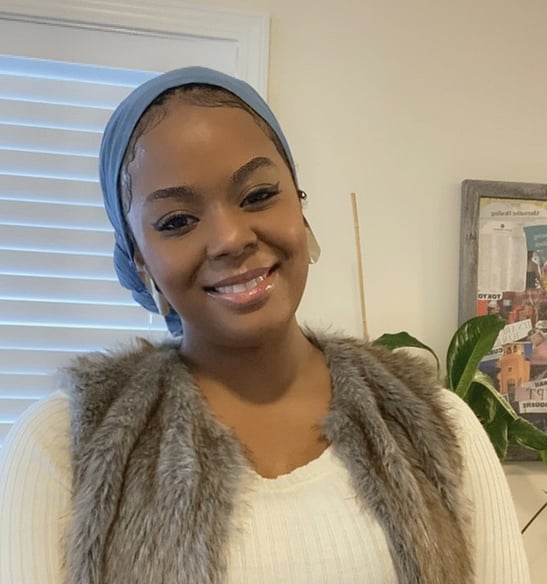
Keyayanna Alexander
I help families feel understood, supported, and genuinely seen.
Virtual sessions · North Carolina
Accepts insurance
4+ years in practice
Collaborative
Empathetic
Warm
Biography
I am an integrative holistic therapist who supports the whole person by honoring the mind, body, and inner self. I help people navigating anxiety, trauma, identity exploration, emotional regulation, attentional differences, sensory overwhelm, and executive functioning challenges. My aim is to help clients feel grounded, connected, and understood while supporting families in creating spaces where growth can thrive.
Specializes in
Treatment Method
You can talk to your therapist in your first session about which approach would be the best fit for you.
Style
Cultural fit
Communities I have meaningful experience working with.
Education
M.S., Clinical Mental Health Counseling
Capella University · 2022
B.A., Latin American Caribbean Studies
College Of Charleston · 2015
Certifications
TF-CBT Trained
Aspira Continuing Education · 2023
Chakra Therapy Coaching Program
Ashakti Training & Education Institute · 2026
National Certified Counselor
National Board for Certified Counselors · 2023
Shamanic Reiki Practitioner
Ashakti Training & Education Institute · 2026
First & Second Degree Reiki
International Center For Reiki Training · 2020
Frequently asked questions
What does our first session look like?
The first session focuses on understanding your child’s story and your family’s needs. I begin by meeting with the parent to gather background information, discuss concerns, and learn about your child’s strengths. I then meet briefly with your child to build rapport and explain how therapy works in a way that feels safe and age‑appropriate. This session helps us create a shared foundation for the work ahead.
How often will you communicate with me as a parent?
I keep parents informed about treatment goals, progress themes, and skills we are practicing. I recommend parent check‑ins weekly or bi‑weekly but schedule them depending on your schedule. These sessions can include psychoeducation, parenting support, and collaborative planning. I do not share the private details of your child’s conversations unless there is a safety concern or something important we need to address together.
How do you handle confidentiality with teens?
Teens have a protected therapeutic space where they can speak openly. I explain confidentiality clearly so they know what is private and what must be shared for safety. If something needs to be discussed with a parent, I talk with the teen first and we decide together how to approach it. This helps teens feel respected while keeping parents appropriately involved.
What is an "integrative holistic approach?"
My approach focuses on supporting the whole person by honoring the connections between the mind, the body, and the inner self. I blend Cognitive Behavioral Therapy, Rational Emotive Behavioral Therapy, Somatic Therapy, Narrative Therapy, imaginative and expressive play based interventions, and mindfulness practices. My training as a Reiki Practitioner and in a chakra‑informed developmental framework can also guide regulation and growth when aligned with a client’s needs. Each approach is optional & always adapted to the client’s age, neurotype, and comfort level so our work feels accessible
How do you work with neurodivergent clients?
I use a strengths‑based, neurodivergence‑affirming approach that adapts to each person’s sensory needs, communication style, and processing patterns. I support clients with attentional differences, sensory overwhelm, executive functioning challenges, and emotional regulation difficulties. Sessions may include somatic grounding, visual supports, structured skill building, and creative expression.
How do you include parents in the therapy process?
Parents are partners in the work. I involve you in treatment planning, skill development, and understanding your child’s emotional world. When appropriate, I offer parent sessions focused on communication strategies, co‑regulation tools, and ways to support growth at home. Your child’s privacy remains protected while you stay connected to the therapeutic process.
What if my child is nervous about starting therapy?
It is completely normal for adults to feel unsure so it shouldn't be surprising that therapy might feel uneasy for kids and teens too. I use a gentle, relational approach to help them feel safe and understood. Early sessions focus on building trust, learning about their interests, and creating a space where they can express themselves comfortably. We move at a pace that feels right for them.
What are your goals for clients and families?
My aim for clients no matter the age is to help them understand their internal world, express themselves in healthy ways, and build practical skills they can use daily. I support families in creating environments where emotional growth can thrive. The ultimate goal is for each person to feel more grounded, confident, and connected.
Book session
Next available: Aug 23
More child & family therapists in North Carolina

Mykia Farmer, LCSW-A
Big Feelings Deserve Safe Spaces

Jamelia Shahid-EL, LCMHC
Encouraging progress over perfection

Tyler Ray-Baker, LCSW

Cindy Hegenbart, LCMHC
We don't all fit into one box.

Tameka Givens, LCMHC
Supporting anxious teens as they build confidence, resilience, and self-awarenes

MaryBeth Borreca, LCMHC, LMHC
Providing a safe space for teenagers to navigate life struggles