


The Science of Kindness: How Small Acts Rewire the Brain and Build Resilience
Kindness isn’t just a feel-good idea. We launched aprilfeels.com. A simple way to write and share kind notes with the people in your life. The idea grew out of a growing body of neuroscience and clinical research showing that giving and receiving acts of kindness can trigger changes in the brain, reducing stress responses, influencing mood-regulating neurotransmitter systems, and strengthening neural circuits involved in resilience. For children and teens, these effects may be especially powerful.


Key Takeaways
- Performing kind acts activates brain reward pathways and may influence oxytocin, dopamine, and serotonin systems, creating what researchers call a “helper’s high.”
- Kindness is contagious: witnessing someone else’s kind act activates the same reward circuits in your own brain, a phenomenon psychologists call moral elevation.
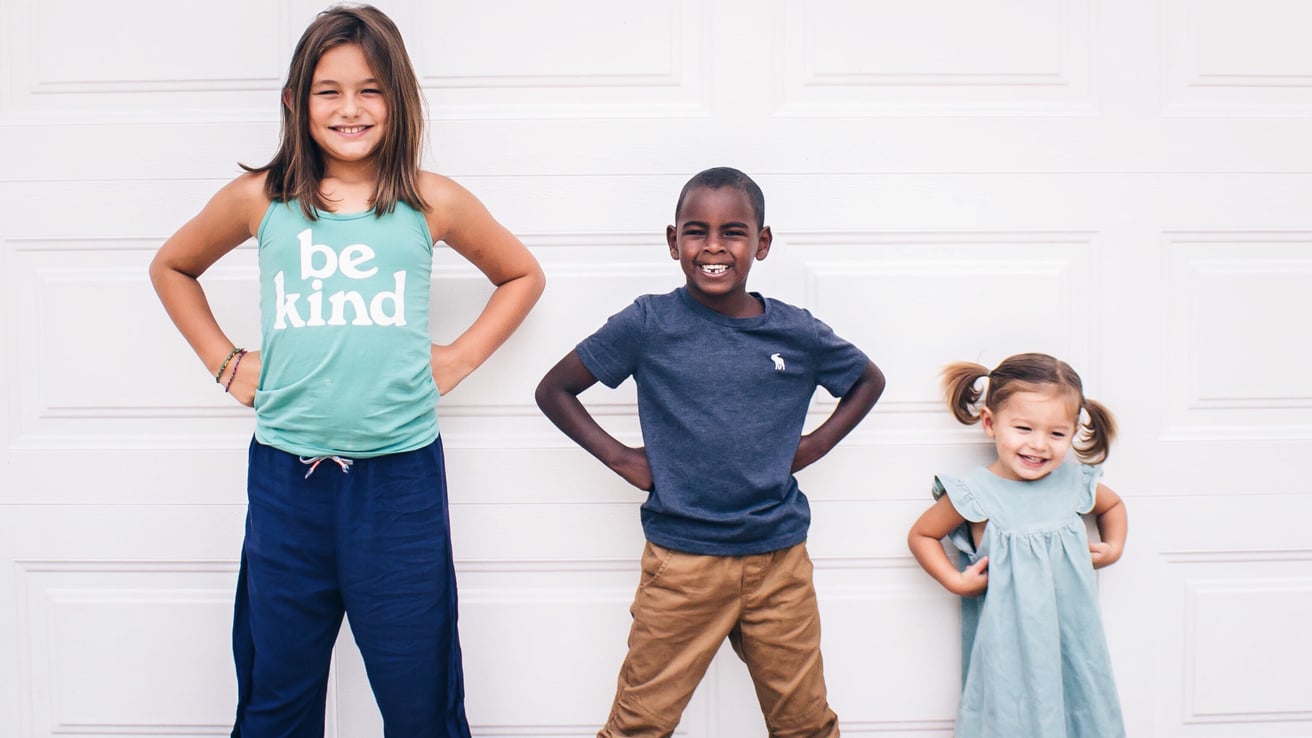
- For children and adolescents, regular prosocial behavior has been linked to lower rates of anxiety, depression, and bullying, along with stronger peer relationships and classroom engagement.
- A University of British Columbia study found that preadolescents who performed three acts of kindness per week showed significant increases in peer acceptance and well-being over four weeks.
What happens in the brain when you’re kind
When you do something kind for another person, your brain doesn’t treat it as a neutral event. Functional MRI studies show that acts of generosity activate the mesolimbic reward pathway — the same dopamine-driven circuit that responds to food, music, and social bonding. But kindness goes further than a momentary spike. Research from the University of Zurich has demonstrated that even committing to being more generous increases activity in the temporoparietal junction, a region associated with empathy and perspective-taking, and strengthens its functional connectivity to the ventral striatum, the brain’s core reward hub.
The neurochemistry is compelling, though complex. Prosocial behavior engages multiple neurotransmitter systems that contribute to mood and social bonding: oxytocin, which lowers blood pressure and promotes feelings of trust and safety; dopamine, which creates pleasurable sensations researchers have named the “helper’s high”; and serotonin, which stabilizes mood and contributes to a sense of wellbeing. The interplay of these systems helps explain why the mood benefits of kindness can persist beyond the initial act.
Importantly, research on compassion-focused interventions has shown that oxytocin can reduce levels of cortisol, the body’s primary stress hormone. Over time, repeated prosocial behavior may help lower stress reactivity, with potential downstream implications for inflammation, immune function, and cardiovascular health.
Kindness is contagious, and the research proves it
One of the most striking findings in kindness research is how reliably it spreads. When someone witnesses an act of kindness, they experience what psychologist Jonathan Haidt termed “moral elevation”: a warm, uplifting feeling in the chest accompanied by a desire to do something good themselves. This isn’t just subjective. Studies have shown that witnessing kindness activates similar reward circuits in observers and makes them more likely to perform prosocial acts.
A landmark study published in the Proceedings of the National Academy of Sciences found that a single act of generosity can cascade through a social network, influencing people up to three degrees of separation from the original actor. In practical terms, being kind to one person can lead to kind behavior in someone you’ve never even met. In classroom and workplace settings, this ripple effect has been shown to measurably improve group cohesion and collective wellbeing over weeks.
Clinical evidence: kindness as intervention
The therapeutic potential of kindness has moved well beyond anecdote. A 2014 meta-analysis of loving-kindness and compassion-based interventions found significant improvements in both positive mental health outcomes (life satisfaction, positive emotions, self-compassion) and reductions in negative outcomes (depression, anxiety, psychological distress). The effect sizes were moderate and consistent across diverse populations.
Perhaps most relevant to the work we do at Emora Health is the impact on peer relationships and social wellbeing, critical factors for young people’s mental health. Researchers at the University of British Columbia conducted a study with 9–11-year-old preadolescents, asking them to perform three acts of kindness per week for four weeks. The results were striking: participants showed significant increases in peer acceptance and well-being compared to control groups. The researchers hypothesized that performing kind acts gave children a structured, low-risk way to initiate positive social interactions, gradually building confidence and reshaping their social experiences.
Other clinical work has explored kindness interventions for depression and life satisfaction. Research has found that participants assigned to perform acts of kindness reported significantly higher levels of life satisfaction and positive affect compared to control groups. Notably, the benefits were as large for giving kindness as for receiving it, reinforcing the bidirectional nature of prosocial behavior’s mental health effects.
Why kindness matters especially for kids and teens
The adolescent brain is uniquely primed to benefit from prosocial behavior. During the teenage years, the prefrontal cortex is still developing its capacity for emotional regulation, impulse control, and long-term planning. At the same time, the brain’s social-reward circuitry is at peak sensitivity. This combination means that positive social experiences — including acts of kindness — can have an outsized impact on shaping neural pathways that support emotional resilience.
School-based kindness programs have shown measurable results. A large-scale study involving over 400 nine-to-eleven-year-olds found that children assigned to perform three acts of kindness per week for four weeks showed significant increases in peer acceptance and classroom social connectedness. These gains weren’t limited to the kind actors: classrooms where kindness interventions were implemented showed broader improvements in overall social climate, supporting the contagion hypothesis at the group level.
For children dealing with anxiety, depression, or social isolation, kindness offers something that many clinical interventions struggle to provide: a sense of agency and purpose. When a child writes a kind note, helps a peer, or reaches out to someone who seems lonely, they’re not just performing an action — they’re building a narrative about themselves as someone who matters, who can make a difference. That shift in self-concept is therapeutic in its own right.
Putting the science into practice
The research suggests several evidence-based ways to weave kindness into daily life and therapeutic practice. First, consistency matters more than scale. Small, regular acts of kindness appear to produce more sustained psychological benefits than occasional grand gestures. Encouraging children to do one small kind thing each day may be more impactful than a one-time event.
Second, written kindness has particular power. Gratitude letters and kind notes have been studied extensively in positive psychology and consistently produce improvements in the sender’s wellbeing. The act of articulating appreciation or encouragement requires perspective-taking and emotional processing, engaging the prefrontal cortex in ways that may strengthen emotional regulation over time.
Third, making kindness visible amplifies the contagion effect. When kind acts are shared, celebrated, or displayed, they create opportunities for moral elevation in observers, multiplying the mental health benefits across a community. This is part of the thinking behind our April Feels campaign: by creating a space where people can write, send, and share kind notes, we’re designing for the ripple effect that the research describes.
The science is clear: kindness isn’t a soft skill or a platitude. It’s a measurable intervention that engages brain reward systems, can reduce stress reactivity, builds resilience, and spreads through social networks in ways we can observe and study. For children and adolescents navigating the complexities of growing up, it may be one of the most accessible and powerful tools we have.
More Clinical Insights
View All
Michigan's No-Grades Pilot Is a Kind Gesture, Not Mental Health Care
 Hannah Owens
Why Is My Child on ADHD Stimulants and Still Can’t Pay Attention?
 Dr. Madison Smart-McCarthy
A landmark verdict ruled against social media companies in a teen mental health case.
 Robin Anil