


How Family and Caregiver Separation Affects Children’s Mental Health
When a child loses consistent access to a parent or caregiver, whether through divorce, deployment, incarceration, or any form of family disruption, the effects show up long before anyone thinks to ask how they're doing.
Pedro sees this in his practice. Learn his insights on what the research says, what to watch for, and what parents can do.
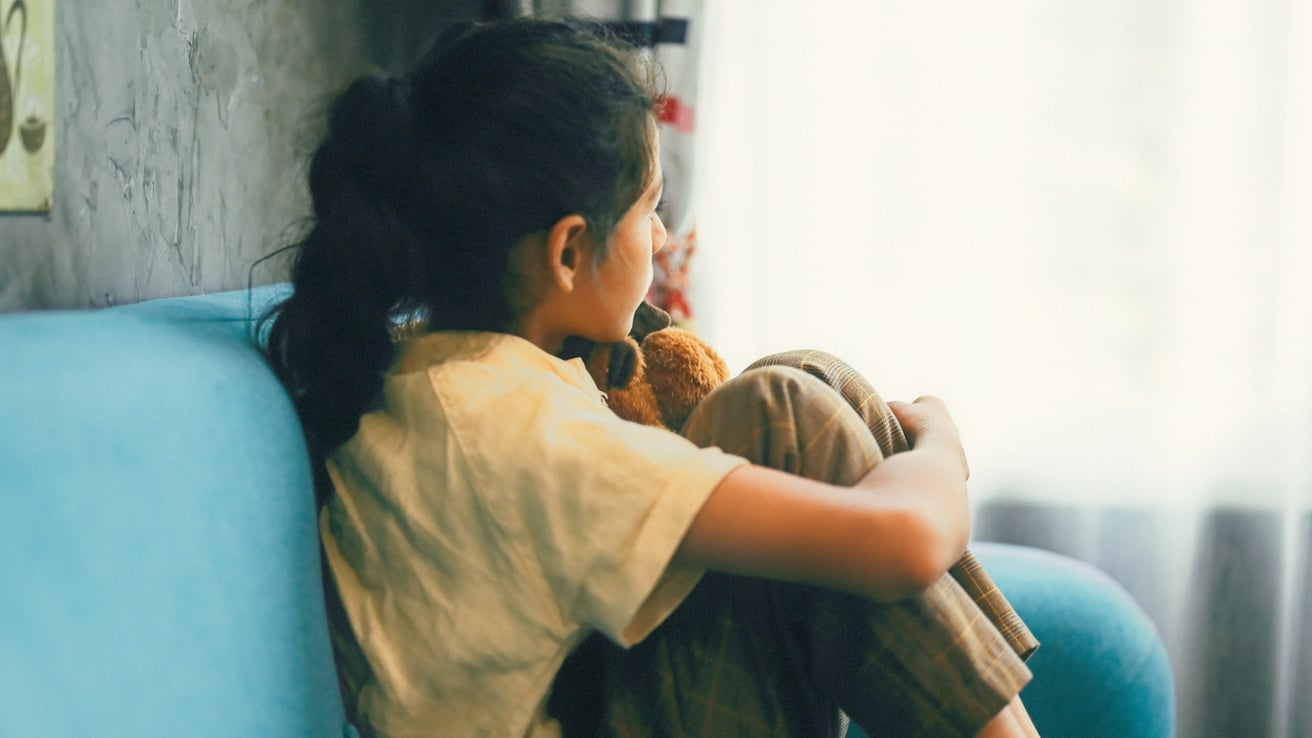


Key Takeaways
- Children absorb the stress and fear of the adults around them, even when they don’t fully understand what’s happening.
- Separation from a primary caregiver is one of the strongest predictors of emotional and behavioral difficulty in children, regardless of the cause.
- Warning signs often show up in sleep, school performance, and physical complaints, not in words.
- Children don’t have to experience disruption firsthand; witnessing fear in their community can trigger secondary trauma.
- Parents and caregivers can help by naming what’s happening, maintaining routines, and seeking professional support when changes persist beyond two to three weeks.
The Clinical Picture Right Now
In sessions, I meet children who don’t read the news, yet absorb the tension of the world around them. They pick it up through half-heard conversations at home, comments exchanged at school, and the quiet unease that settles over a community when the future feels uncertain. Even without fully understanding what’s happening, children register the stress, fear, and worry of those they depend on. For these families, uncertainty isn’t abstract. It’s their daily reality.
Sometimes children tell me about a parent who is afraid of being taken away. Other times they don’t say anything at all. Their bodies express what they cannot put into words through stomachaches, fatigue, nightmares, and headaches that mirror the emotional strain they’re carrying.
When I meet with children who have been separated from a caregiver, the weight becomes even clearer. They describe the anxiety that follows them through the day, the frustration they don’t yet have words for, and the disorientation of adjusting to a world that feels profoundly different without the person they depended on.
What the Research Tells Us
Growing up in environments where sudden family disruptions occur can leave a lasting emotional impact on children. These experiences can unsettle a child’s sense of stability during critical developmental periods, and what children witness in these moments can have measurable effects over time. New research from Lee et al. (2025) found that children exposed to such disruptions during childhood showed significantly higher anxiety levels in young adulthood. These effects persisted even years after the events.
For children who have experienced prolonged separation from their caregivers, the emotional and developmental impact can be especially significant. Research shows that about 22% of immigrant children in a national sample experienced prolonged separation from their parents before reunification (Lu et al., 2020). These children were roughly three times more likely to show emotional and behavioral difficulties than children who migrated with their families (Lu et al., 2020).
While reunification can be a joyful moment, it doesn’t always erase the emotional impact of that time apart. For many children, the separation leaves behind feelings of resentment, sadness, worry, or confusion that may manifest as behavioral changes, difficulty regulating emotions, or challenges in school. Children who have gone through prolonged separations may also struggle with language development, literacy, or oral communication. Many develop a deep caution toward authority figures, worrying that opening up could make things worse for their family.
Separation-Related Anxiety Is a Much Broader Problem
One thing I always reassure caregivers about is that these reactions aren’t unique to any single situation. Children’s responses to separation, uncertainty, or overwhelming fear are remarkably consistent across many different circumstances. Disruption to a child’s primary attachment relationship is one of the strongest predictors of emotional and behavioral difficulty, regardless of why that disruption occurs (Bowlby, 1969; Sroufe, 2005). When children lose consistent access to their primary caregiver, whether through family separation, incarceration, military deployment, foster placement, or a high-conflict divorce, their nervous system responds in similar ways. The story changes, but the emotional blueprint is the same: children crave safety, predictability, and connection, and when those are disrupted, their behavior and emotions mirror that loss.
This is true even when the loss isn’t permanent. Even temporary separations can stir up grief-like reactions in children, because their emotional world depends so deeply on the structure of the family around them. When a family is reorganizing around a loss, figuring out new routines, shifting roles, or adjusting to the absence or return of a caregiver, children are often the first to feel the instability. They react from a place of trying to make sense of who they are in this “new” version of their family.
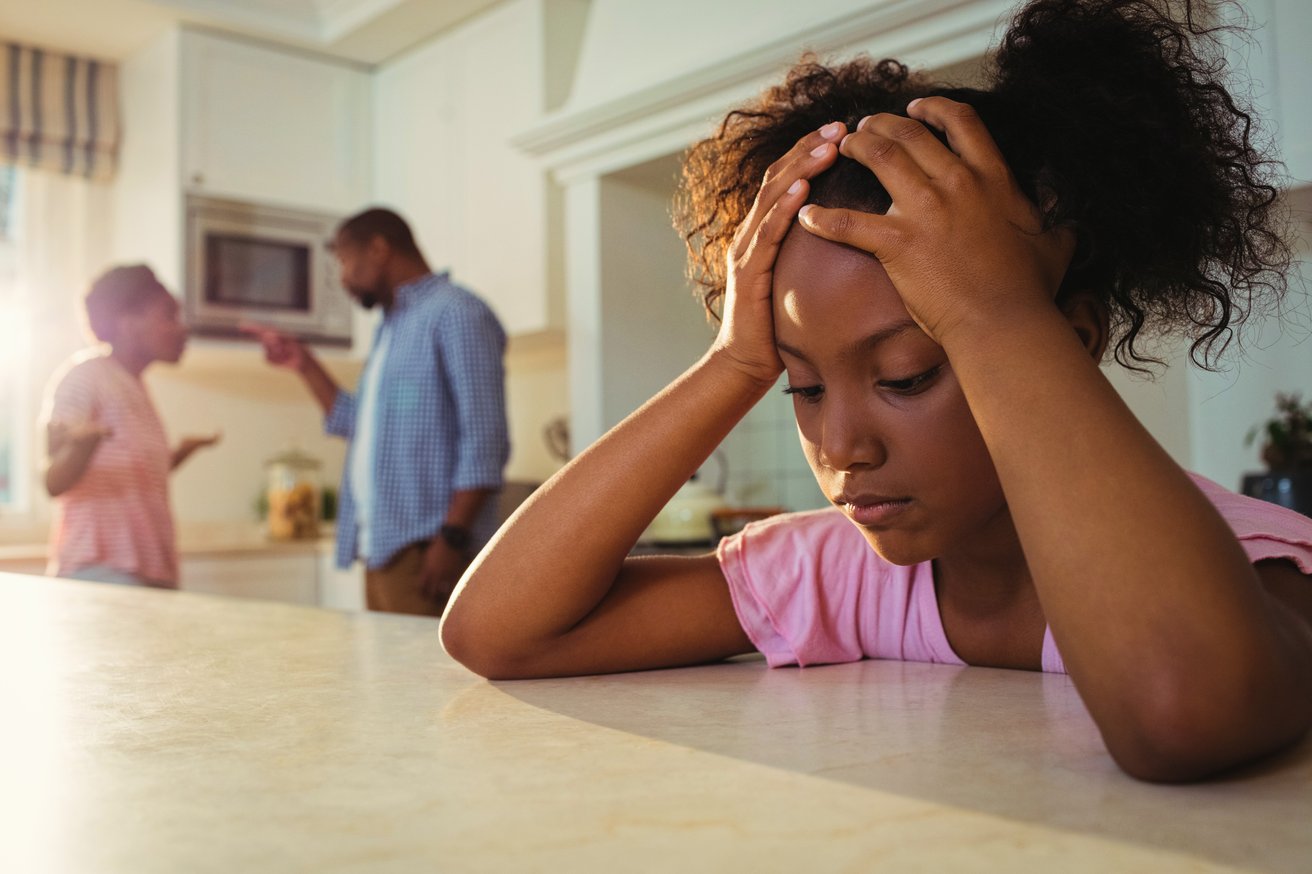
Early Warning Signs for Parents
When I’m talking with parents or caregivers, I often remind them that children rarely come right out and say, “I’m worried,” or “I’m scared.” Instead, their bodies and behaviors speak long before their words do. One of the first places I see stress is in sleep. A child who once slept soundly may begin having nightmares, wake up repeatedly, or even regress to bedwetting, signs of a nervous system working overtime.
School can also become harder. A once-confident child may suddenly fall behind, lose focus, or grow frustrated with tasks that used to feel easy. Socially, some children withdraw and become quieter, while others react by acting out or struggling with impulse control.
Watch for These Signs
- Nightmares, bedwetting, or disrupted sleep
- Declining school performance or difficulty concentrating
- Withdrawal from friends and activities, or increased aggression
- Frequent stomachaches, headaches, or unexplained fatigue
- Startling easily, clinging to caregivers, or resisting separation
- Regression to earlier behaviors (thumb-sucking, baby talk)
These subtle signs are often mistaken for “adjustment,” but they’re early whispers of distress. Catching them early can make all the difference.
Vicarious Trauma: When It’s Not Your Family, But Your Neighbor’s
One of the most important things I share with caregivers is that children don’t have to experience a disruption firsthand to feel its impact. Oldroyd et al. (2022) found that the psychological effects of family separation extend beyond individual families, radiating through entire communities. When a classmate suddenly disappears from school, when a child overhears that someone’s parent was taken away, or when the adults in a community become quieter and more cautious, children pick up on all of it. Their nervous systems register these moments as signs that the world might not be safe.
In therapy, I often meet deeply anxious children. They worry when a parent is running late or feel uneasy when something reminds them that life could change without warning. They tense up walking into school without knowing why. This is secondary trauma: the emotional impact that comes from witnessing fear around them rather than experiencing it directly.
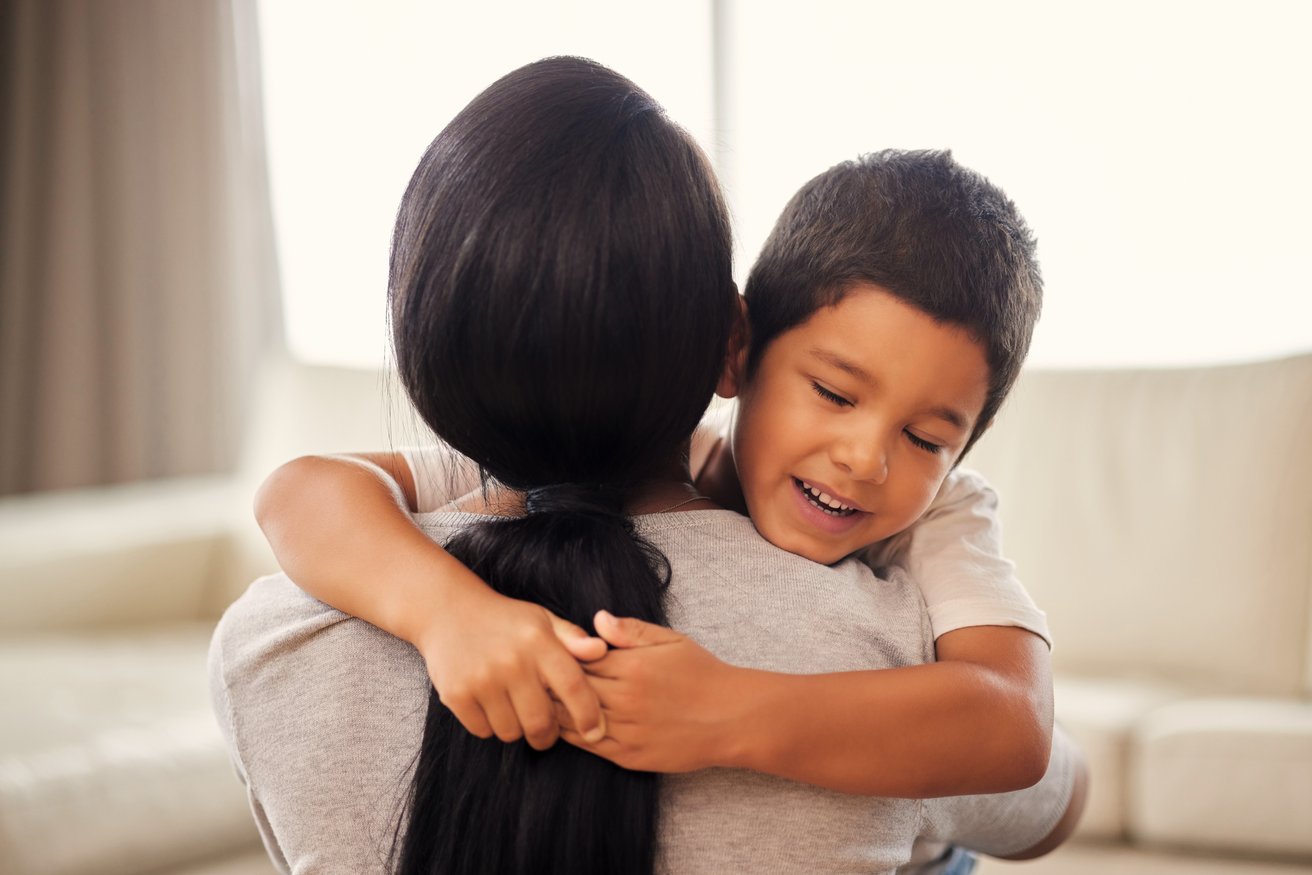
What Parents and Caregivers Can Do
As a caregiver, you play one of the most powerful roles in helping a child feel safe again. The good news is that you don’t need perfect answers. You just need presence, openness, and steadiness.
One of the most important things you can do is simply name what’s happening. Children do better when the adults around them gently acknowledge the hard thing, rather than pretending it isn’t there. Predictability is especially helpful for an anxious child: regular mealtimes, bedtime routines, and a consistent daily structure can help their nervous system settle.
Pay attention to changes that last longer than two to three weeks. This can be a sign that a child is struggling to manage their stress on their own.
Support for Your Child, and for You
If your child is showing signs of anxiety, withdrawal, or behavioral changes, Emora Health connects families with therapists who specialize in children’s mental health, including culturally informed care. And if you’re carrying stress too, we also support parents and caregivers with therapy to help you manage your own anxiety, so you can show up for your child from a place of strength.
More Clinical Insights
View All
Why Is My Child on ADHD Stimulants and Still Can’t Pay Attention?
 Dr. Madison Smart-McCarthy
The Science of Kindness: How Small Acts Rewire the Brain and Build Resilience
 Emora Health
A landmark verdict ruled against social media companies in a teen mental health case.
 Robin Anil