Emora Health Logo
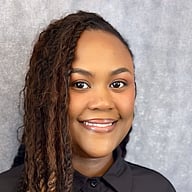
Krystal Burnstein, LMHC — Child & Family therapist in Florida

Krystal Burnstein

(She/her)

Helping all ages with life challenges, changes, and different diagnoses.

Virtual sessions · Florida

Accepts insurance

LMHC
Works with ages 2 to 25+

12+ years in practice

Authentic

Direct

Encouraging

Biography

Proficient with all ages. Skilled navigating life’s challenges, anxiety, depression, ADHD, anger management, stress, goal-setting & self-esteem. Also, new-school anxiety, friendship changes, school avoidance, and trouble with focus and routines. Empathy, teamwork, and evidence-based practices while creating a safe, nonjudgmental environment for the client to explore their emotions, develop coping strategies, and build a stronger sense of self-worth.

Specializes in

ADHD
Anger
Anxiety
Autism
Bullying
Coping Skills
Depression
Life Transitions

Treatment Method

You can talk to your therapist in your first session about which approach would be the best fit for you.

Acceptance and Commitment Therapy (ACT)
Cognitive Behavioral Therapy (CBT)
Family Therapy
Motivational Interviewing
Psychodynamic
Psychoanalytic
Mindfulness-Based Therapy (MBT)

Style

Authentic
Direct
Encouraging

Languages Spoken

English
Spanish

Cultural fit

Communities I have meaningful experience working with.

First-Generation / Immigrant Families
LGBTQIA+ Youth Affirming
Neurodivergent Youth (ADHD, Autism, Learning Differences)
Adoptive & Foster Families
Bilingual / Spanish-Speaking Households
College Transition / Launching Young Adults

Education

Master's in Science, Mental Health Counseling

Nova Southeastern University · 2014

Bachlor's in Science, Psychology minor in Substance Abuse Studies

Nova South eastern University · 2013

Certifications

Substance Abuse Studies

Nova Southeastern University · 2013

Frequently asked questions

What does our first session look like?

Rapport building and gather important information of what what brings the client to therapy.

How often will you communicate with me as a parent?

Communication with the parent every session towards the end and send a re-cap of progress and ongoing treatment through the Emora Health portal to parent.

How do you handle confidentiality with teens?

What is said in therapy is confidential unless they share they are going to harm themselves or someone else. I disclose to parent the child's progress and treatment planning goals.

What if my child or teen won't open up to you?

Therapeutic rapport is a process that involves trust, genuineness, honesty and takes time to earn with all individuals especially children and teens. It's important they feel safe, un-judged, and heard.

Do you give homework or practice between sessions?

Yes, therapeutic worksheets to either complete and process and practice information during the next session. Sometimes homework can be activities to try in home setting too.

How long does therapy typically take?

Each therapy session is usually one clinical hour (57 minutes) but you can schedule for less.

How will I know if therapy is working?

Using different assessment tools that rate symptoms before therapy begins to have a baseline and through therapy we continue to provide those assessment and monitor the scores to decrease or extinct symptoms whenever possible. We also track client and parent reporting during each therapy session.

How do you decide together when therapy is done?

Therapy is completed and a formal discharge is given when the client has completed all their treatment plan goals.

Book session

Next available: Aug 11