


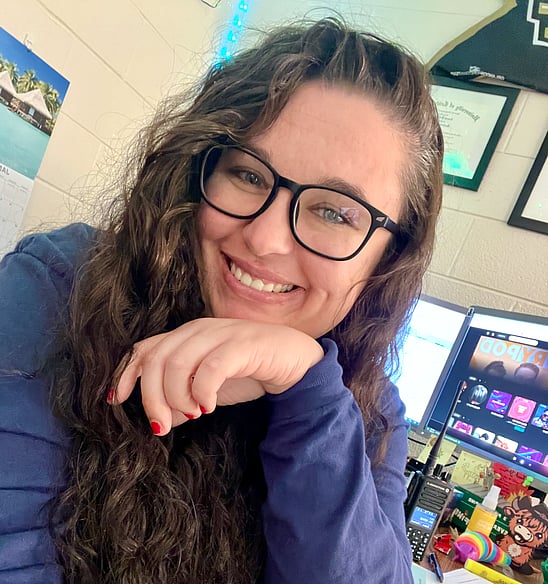
Lauren Galvin
(She/Her)Therapy for kids and teens who've said "I don't want to talk about it" until now
Virtual sessions · Florida
Accepts insurance
6+ years in practice
Empathetic
Warm
Fun
Biography
I help kids, teens, and adults (6–99) actually look forward to therapy. Whether your child struggles with anxiety, self-esteem, or just feels like nobody gets them, I do. My approach is warm, real, and judgment-free. I'll meet them where they are, even if that means talking about their favorite show first. Parents: I know this takes trust. I take that seriously. I'll make sure your child has a space that feels genuinely safe.
Specializes in
Treatment Method
You can talk to your therapist in your first session about which approach would be the best fit for you.
Style
Cultural fit
Communities I have meaningful experience working with.
Education
Masters of Social Work, Clinical Social Work
Boston University · 2023
Bachelors, Psychology
University of Central Florida · 2016
Certifications
Trauma Focused Cognitive Behavioral Therapy
Medical University of South Carolina · 2021
Professional memberships
National Association of Social Workers · member since 2023
Frequently asked questions
What does our first session look like?
The first session is pretty low-key, I promise. We'll talk about what's going on, what you're hoping for, and I'll get to know you beyond whatever brought you here. No pressure, no deep diving into everything at once. Just a relaxed conversation to get comfortable and start figuring out how I can help.
How do you handle confidentiality with teens?
Confidentiality is a big deal to me, especially with teens. For therapy to work, they need to know they can be honest without everything getting back to mom and dad. So what's shared in session stays in session, with the standard exceptions around safety. Parents get peace of mind knowing their kid has a safe space, and teens get a space that's actually theirs. I will always encourage the teen to speak to their parent about their session, and I do enjoy giving parents updates. However, updates will be like "your child is making good progress towards their goals."
What if my child or teen won't open up to you?
Totally normal, and honestly not a problem. Not every kid walks in ready to open up, and I'd never force it. I'm pretty good at finding ways to connect that don't feel like therapy at all. Sometimes we talk about their favorite show, play a game, or just hang out until they're ready. The goal is for them to trust me first. Everything else follows from there.
How will I know if therapy is working?
Progress doesn't always look like a big 'aha' moment. Sometimes it's quieter than that. It might be your teen handling a tough situation differently, or your child actually wanting to talk about their day. The small shifts are usually the biggest signs that something is working. I check in regularly with both clients and parents, so nobody's ever left wondering. We'll always know where we're headed and how things are going.
How long does therapy typically take?
Honestly, it looks different for everyone...and that's okay. Some people work through something specific and feel ready to go in a few months. Others find value in having consistent support as life keeps evolving. There's no pressure to fit a timeline. We'll check in regularly, and you'll always have a say in how long we continue. The goal is never to keep you here longer than you need, just long enough to get you where you want to be.
Do you give homework or practice between sessions?
Sometimes, but not the kind that makes you groan. I might suggest something small to try between sessions, like a breathing technique, a simple journaling prompt, or just paying attention to something you might normally brush off. It's always low pressure and totally optional. Life is busy, and I get that. If it happens, great. If it doesn't, we just talk about it. No stress, no judgment.
Reviews
Average Rating
Total Reviews
Parent of a 12 year old
Jul 17, 2026
She seems really nice and cool. I enjoy talking to her.
Parent of a 6 year old
Jun 29, 2026
Meeting Lauren was great, she made us feel comfortable. My son was engaged with her throughout our session. We are optimistic about starting our journey. I feel like my challenge will be learning to let go of parenting guilt.
Parent of a 10 year old
May 27, 2026
Really good. We are seeing a connection build
Parent of a 10 year old
May 20, 2026
She was very engaged, personable and attentive
Book session
Next available: Jul 27
More child & family therapists in Florida

AnnMarie Rodriguez, LMHC

Stacey Bailey, LMHC
Helping Clients Feel Heard, Understood, and Supported.

Mary Villaverde, RMFTI

Breonna Wright, RCSWI
Compassionate Therapy for Anxiety, Stress, and Life Transitions

Sherry Pitts, RCSWI
Helping young adults/adults live their best life - you are not your diagnosis!

Tiffany Potwin, LMHC
Helping clients through empowerment, resilience, and personal growth