Enmeshed Family: What It Is, How It Affects You, and What You Can Do About It
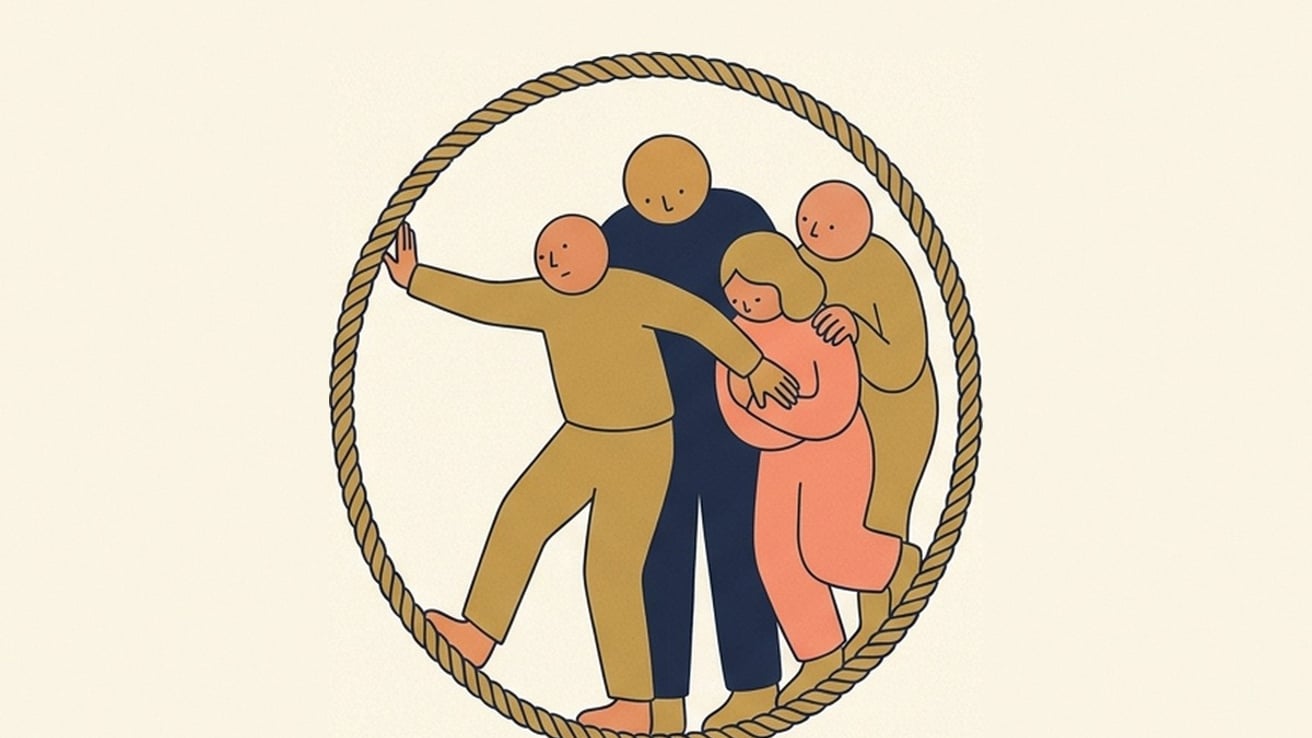
“Enmeshment” is a phenomenon that occurs when the emotional boundaries between family members are weak or nonexistent, when you feel like your emotions have to be the same as those of your family, and when having your own needs, thoughts, and feelings is seen as a betrayal to the family unit.
Read on to learn more about what an enmeshed family looks like and what you can do about it.


Key takeaways:
- Enmeshment describes a family pattern of closeness with poorly defined or blurred boundaries, not a formal diagnosis.
- Enmeshment can quietly drive guilt, anxiety, and weak boundaries into your adult relationships.
- Individual therapy can help you change your behavior, establish healthier boundaries, and gradually shift relationship dynamics.
What is an enmeshed family?
Family enmeshment describes a relationship pattern in which family members have difficulty seeing themselves as separate individuals with their own identities, thoughts, and emotions. Enmeshment occurs when boundaries between members are blurry, weak, or nonexistent: everyone is emotionally fused, meaning their emotions are highly intertwined and they often feel responsible for one another's emotional experiences.
In the family dynamics of enmeshed relationships, members are so overly involved with each other’s choices, responsibilities, and feelings that they no longer know where they end and the family begins. So if you feel responsible for managing your family’s emotions and have trouble imagining yourself existing as an individual outside the family unit, you and your family might be enmeshed.
This concept comes from Salvador Minuchin’s structural family-systems theory. Minuchin defined “enmeshment” in a family system as the opposite of a “disengaged” family, where boundaries are too strict and there is little to no sharing of emotions or needs.
Enmeshment is not a formal diagnosis or a mental illness; it describes patterns of behavior within a family.
Enmeshment vs. a healthy close family vs. codependency
Enmeshment, a healthy closeness, and codependency look similar on paper, but work very differently. These are the differences between each of these terms:
Enmeshment | Healthy closeness | Codependency |
|---|---|---|
An unhealthy family dynamic | A healthy family dynamic | A behavior, not a family dynamic |
Boundaries are blurred or nonexistent | Boundaries are maintained even when feelings and needs are shared | You prioritize another person’s needs over your own |
You feel responsible for others’ emotions and needs with no emotional space of your own | You feel connected but are not pressured to take on others’ emotions or needs | You feel safer in the relationship when you take on your family members’ or your partner’s emotional state and needs |
You may have difficulty seeing yourself as a separate individual outside the family | You recognize yourself as a separate individual outside the family | You and your loved one have an unhealthy dependence on each other and cannot function independently |
The tone or atmosphere can be warm and loving in any of these family relationships. The difference is that healthy closeness exhibits warmth, prioritizes emotional bonds, and respects a healthy separation between each member of the family.
Signs of an enmeshed family: a self-check
These are some of the warning signs of enmeshment:
- Little privacy or individuality. Everyone knows everyone’s business. The family takes any attempt to differentiate yourself from your family members as a personal affront. It feels hard to think of yourself as a separate person with an individual identity.
- Over-responsibility for each other's feelings. You feel personally responsible for ensuring that no one ever gets upset. If someone does get upset, everyone is responsible for taking care of them.
- Guilt and loyalty pressure. Your family acts like saying no, making different choices, or disagreeing is a betrayal, and you feel guilty when you do. Family comes first no matter what, full stop.
- Independence is discouraged. Trying to differentiate yourself from the family, or pulling away from the family, is perceived as a problem rather than as growth or maturity.
- Emotional fusion. Everyone takes on each other’s moods and reflects each other’s emotions and emotional needs, even when it’s only happening to one person.
- Constant emotional monitoring: You don’t feel free to just feel your feelings; they have to align with the family at all times.
- Role reversal. A child is “parentified,” meaning they become their parent’s confidant, emotional partner, or therapist. The child takes care of the parent rather than vice versa.
- A blurry sense of self. It’s difficult to determine what you want versus what your family wants or what you believe versus what your family believes.
This isn’t a diagnostic tool, and it isn’t about labeling your relatives. But if several of these sound familiar and they’re affecting your wellbeing and the way you function in everyday life, talk to a licensed clinician.
What enmeshment can look like
Enmeshment can take place between any members of the family and can look like debilitating reliance on others, role reversal between enmeshed parents and children, and the loss of a sense of self.
A mother-son or mother-daughter enmeshment might look like excessive emotional dependence, with one or both people seeking reassurance, validation, or approval from the other before making decisions or expressing emotions.
A father-daughter enmeshment could look like the daughter not being able to make a decision without her father’s input, while the father expects to be involved in every decision and is upset when he’s not.
Parental enmeshment happens when a child is the parent’s emotional partner, which could involve the parent turning to the child for emotional support and reassurance when something bad happens, rather than the other way around.
Financial enmeshment occurs when one family member’s financial worries or difficulties are taken on by the rest of the family, even when the challenges belong to that one person alone.
A sibling enmeshment might look like twins always needing to dress alike, be a part of the same activities, and be referred to as one unit rather than two separate people.
Why enmeshment happens
"Enmeshment often develops from love and a desire to protect one another, not from bad intentions,” explains Jennifer Clark, LCSW. “Families may become enmeshed after experiencing trauma, loss, chronic illness, divorce, or other stressful life events where emotional closeness begins to replace healthy independence.”
Enmeshment can come from:
- A parent reenacting how they were raised. It’s familiar and feels good, or they don’t know how to function any other way.
- Past trauma. The family needed to band together after a traumatic event and never learned to separate afterwards.
- Organization around an illness, addiction, disability, or divorce. The family got used to being in caretaker mode together and stayed that way.
Families don’t “decide” to become enmeshed. It’s often a reaction related to survival as a family unit and the need to feel connected. “Over time,” Clark says, “personal boundaries become blurred, and family members may feel responsible for each other's emotions, decisions, or sense of identity."
How growing up in an enmeshed family can affect you as an adult
If your family was enmeshed, chances are you learned things about relationships that you’ve carried into your adult life.
"Adults who grew up in an enmeshed family often struggle to separate their own needs from the needs of others,” Clark says. “They may have difficulty making decisions without seeking approval, experience intense guilt when setting boundaries, or feel responsible for managing other people's emotions. This can contribute to anxiety, people-pleasing, low self-esteem, and challenges forming balanced, healthy relationships.”
If you grew up enmeshed, you might experience:
- Blurry or missing boundaries in your romantic relationships and friendships, where you try to take on your loved one’s needs and emotions and think they need to take on yours.
- Not knowing your own wants when it comes to making your own decisions because decisions have never been yours alone before.
- Anxiety or low mood because you feel insecure and aren’t used to dealing with your problems by yourself.
- Patterns of enmeshment that you consistently recreate with partners or colleagues.
But these experiences aren’t just part of your past. They are all signs of enmeshment trauma, or trauma you endured and continue to endure because of your family’s enmeshment that affects your adult life and other relationships.
How to set boundaries and start to feel like your own person
Even if you grew up enmeshed, you don’t have to continue those patterns anymore. And it starts with learning how to set clear boundaries.
"Setting boundaries in an enmeshed family is rarely about pushing loved ones away, it's about creating healthier ways of connecting,” says Clark. “Start with small, consistent boundaries, such as saying no without overexplaining, making independent decisions, or limiting conversations that become emotionally overwhelming.”
Here are some ways to become more independent and begin breaking enmeshed patterns.
Start small and specific
Choose one small thing to say “no” to, and stick to it.
Maybe your family always asks you to babysit, and expects you to drop everything to be there when they need you. The next time this happens, calmly say, “I can’t, I have plans.” Don’t offer a long explanation or apologize profusely. Just say no and hold firm to that no.
The idea is to start setting boundaries with situations that are low-stakes. It’s very easy to find a babysitter, and no one’s health or wellbeing is on the line. Practice with less significant circumstances until you feel more confident.
Expect guilt
You will feel guilty the first time you try to set a boundary (and probably the second, third, and fourth time as well). But guilt is a signal, not a stop sign. Your guilt is telling you that something is different, but that’s not necessarily a bad thing. And it shouldn’t stop you from doing or saying what you want to or need to.
Use clear, kind words
You can set a boundary and be specific while still being caring and empathetic. Try saying:
“I’m sorry, but I can’t do that today. I’d be happy to help some other time when I’m free.”
“I know that you’re upset, but I’m not feeling like I’m in the right place emotionally to have this conversation. Maybe we can talk later.”
Let them know that you care about them while still clearly stating your needs.
Build your own identity and interests
This is one of the hardest parts of disengaging from enmeshment: distinguishing yourself as an individual from your family.
Take some time to really think about your own goals, interests, beliefs, and needs. Do you come from a family of extroverts but you’ve never felt comfortable being so sociable? Spend some time alone and see how that feels. Is your family religious but you’ve never quite been sold on the idea? Reflect on your actual core beliefs and what feels right to you. Always wanted to try playing the piano but your family is full of athletes? Take those piano lessons.
As you get more comfortable with who you are outside of your family, it will be easier to express yourself with them and commit to the things that matter to you.
Let others have their own feelings without fixing them
It will feel weird to you to not jump in and try to fix everything when a loved one is feeling upset, but it’s important that you don’t. Their feelings are not your responsibility. Listen and be empathetic, but you don’t need to solve their problems or feel what they are feeling. Hold space for them, then let it go.
Get support
Therapy can help you gain a conscious awareness of the family dynamics that are keeping you enmeshed and what part you play in the enmeshment. Then, you’ll learn to adapt your behavior by practicing setting boundaries and thinking of yourself as separate from the family.
Remember: you can change your part in the dynamic, not anyone else’s. But altering your behavior can naturally affect how others interact.
“Family members may initially resist these changes because they alter long-standing patterns, but consistency and compassion are key,” advises Clark. “Healthy boundaries allow relationships to become more respectful and authentic over time."
If you're the parent: staying close without enmeshing your child
On the flip side, if you’re a parent, you might wonder whether you’re the one creating enmeshment. However, it’s possible to have a close, loving, warm relationship with your children without becoming enmeshed or sacrificing family cohesion.
"Healthy parenting means staying emotionally connected while also encouraging your child's independence,” explains Clark. “Parents can support this by allowing children to express their own opinions, make age-appropriate decisions, solve problems, and develop interests that may differ from their own.”
Support your child when they tell you what they are interested in, and trust that they know what they want. Let them know that they don’t just have to do what you want them to do: their feelings matter too. And all the while, make sure they know that you love them and respect them. These can all support your child’s development.
But making sure you and your child are not enmeshed is also about your actions and sense of self. “It's also important for parents to maintain their own friendships, hobbies, and sense of identity,” Clark says. “When parents model healthy boundaries, they teach their children that it's possible to be deeply connected without becoming emotionally dependent on one another."
When enmeshment is affecting your mental health: how therapy helps
If you are experiencing guilt, anxiety, or a lost sense of self and these concerns are making it difficult to function at home, at work, or with friends, it’s time to seek professional help.
In therapy, you’ll learn to recognize your role in your enmeshed family, understand the effects the enmeshment has on your relationships with your family and others, and work to change the way you interact with the people in your life. Your therapist can help you build and maintain boundaries and emotional stability, differentiate yourself from your loved ones, and work towards mutual respect between family members. And these changes you make can shift the family dynamic, even if no one else immediately or consciously alters their behavior.
This is where Emora can help. Emora matches parents and young adults who grew up in an enmeshed family with a licensed clinician experienced in family relationships, boundaries, and related concerns and can help you address underlying issues that might be contributing to your enmeshment. All sessions are virtual and in-network with a wide array of insurance plans, making the help you need accessible and affordable. Let Emora find you a clinician so you can start tackling the effects of your enmeshment today.
Sometimes therapy isn’t enough. If you're thinking about harming yourself, call or text the Suicide & Crisis Lifeline at 988 or text HOME to the Crisis Text Line at 741741. And if a family relationship involves abuse, your safety comes first. Reach out to Childhelp at 1-800-422-4453 if there is child abuse in your family.