How to Choose Between In-Person vs Online Therapy
Find the best fit for your and your child’s therapy. Compare online and in-person care to support lasting mental health progress.


Key Takeaways
- Research shows that online therapy and in-person therapy can be equally effective.
- The right format is the one that helps your family actually start and stay in treatment.
- Consider factors like your child’s age, diagnosis, and your and your family’s needs and logistics.
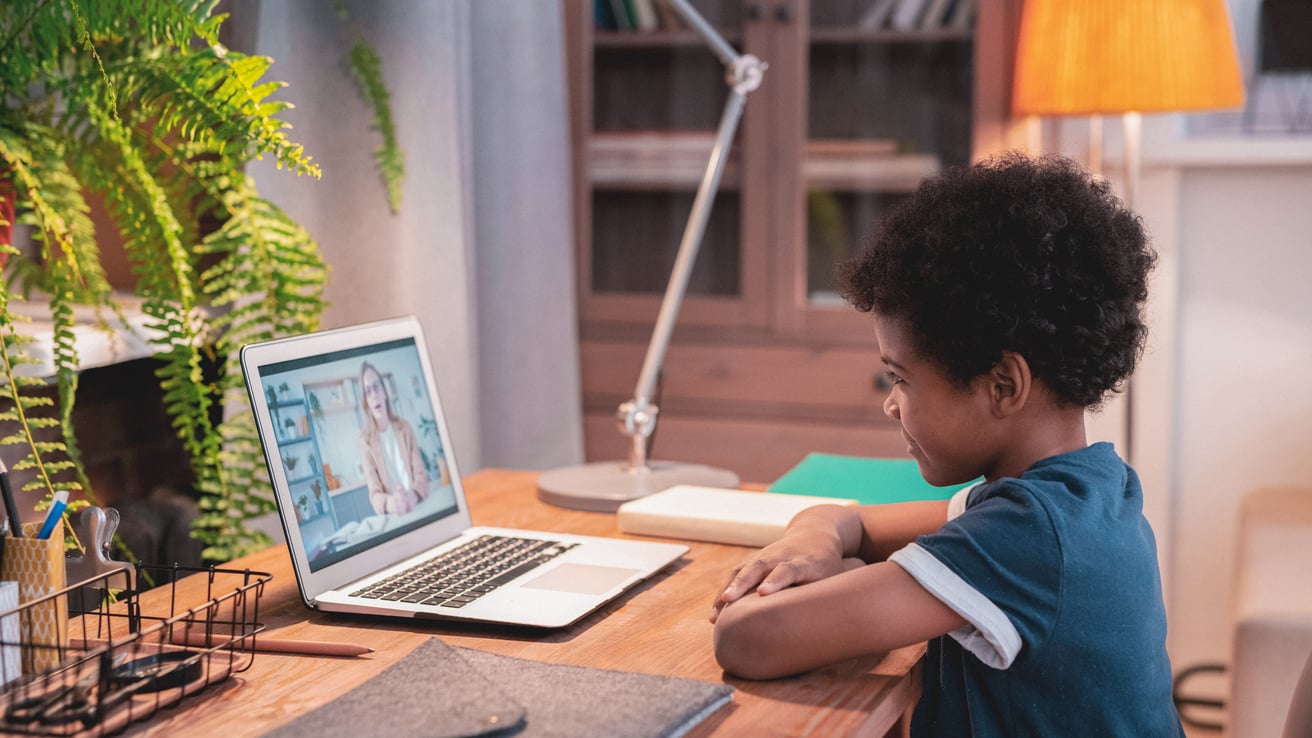
Choosing the right therapist for you or your child is a big step. One factor that many families consider is whether they want the therapist to provide services online or in-person. In-person therapy has been the more traditional route, but over the past decade and especially after the pandemic, online therapy has become more and more common. Both in-person and online therapy are effective. The “right” choice depends on the needs and preferences of you and your child.
In this article, you’ll learn what research says about the efficacy of online therapy, what factors to consider when deciding between in-person and virtual therapy, and how to choose the option that helps your family actually start and stay in treatment.
Factors to consider when choosing between in-person vs online therapy for your child
There isn’t necessarily one correct answer regarding whether online or in-person therapy is right for you or your child. When considering your child's options, what’s best depends on many factors, including your child's age, condition, logistics, location, technology, personality, and preferences.
Child’s age and developmental stage
To fully participate in online therapy, your child needs to be at a developmental stage where they’re able to understand how to engage in this way. For example, they need to be able to use a computer. While you can help your child log in and out of their virtual session, it's best for them to be able to participate independently for at least part of the session. This helps protect their confidentiality and enables them to open up to their therapist in ways they might not if you're sitting in.
In addition, play therapy is difficult to deliver online alone, because this approach relies heavily on interaction and observation with the therapist and child in the same room. Play therapy is often recommended for younger children, so age plays a role here as well.
Severity and type of condition
Children with more serious mental health conditions, such as severe anxiety and mood disorders, usually benefit from specialized mental health care via in-person or hybrid therapy sessions. Seeing the child in person can sometimes give therapists more insight into their symptoms, and it's easier to keep children safe in a crisis when the therapist is physically with them in the same location.
Family logistics and location
Logistics around location and transportation also play a role. Online therapy is especially helpful for families who live in remote or rural areas with limited or no access to nearby mental health care, sometimes called "therapy deserts." You may not have reliable transportation to get to sessions that are farther away, or there may not be enough mental health providers in the area. For these families, online therapy can fill an important gap.
Technology and privacy requirements
Your family must also have the basic technology required to participate in online sessions, which includes a computer or smartphone and a reliable internet connection. It’s also ideal for you to have a separate and private space to protect confidentiality and make it more comfortable for your child to confide in their therapist.
Child’s personality and preferences
Lastly, the child’s preferences should be taken into consideration as much as possible. Some children may simply feel a better emotional connection with therapists in person, while others might feel more comfortable online. For example, research shows that many teens prefer receiving online care.
Choosing between in-person and online therapy for yourself
Just like choosing between in-person and online therapy for your child, the following needs and preferences should be taken into account when you’re looking for a therapist for yourself as well.
Building rapport
Some people feel that talking to a therapist through a screen feels impersonal, and find it hard to develop a relationship or rapport with a therapist if you’re not seeing them face-to-face. Because the therapeutic alliance is so important when it comes to success in therapy, listening to your intuition in this case is essential to finding the right mental health care.
Flexibility
If you have flexibility at your job that will allow you to leave early, arrive late, or carve time out during the day to attend a session, this makes attending therapy in person much easier. If you work from home or can’t leave your desk, online therapy might be more convenient to access from a private meeting room at your office or on your lunch break.
Commuting and schedules
Take commute times and busy schedules into account as well. If you know you only have just enough time every day after work to pick up your kids from their afterschool activities before you have to go home and feed the family dinner and prepare for the evening, commuting to and from a therapist’s office simply might not be feasible. Online therapy allows you to attend a session from home while your kids are occupied with homework or after the little ones go to bed.
Screen fatigue
Screen fatigue is also very real for many adults. If you’re staring at your computer screen all day every day, the last thing you might want to do is add more screen time to your day. In this case, it could be better for your mental health to prioritize seeing a therapist in person.
Privacy
Online therapy also requires you to have a totally private space available to you to conduct your sessions. If you don’t have anywhere away from your partner or kids at home where you could not be interrupted or overheard for 45 minutes or an hour, that makes online therapy much less accessible. Seeing a therapist in their office guarantees you privacy and confidentiality.
Conditions and approaches
You’ll also need to consider why you’re seeking therapy when choosing the right format for you. Online therapy is great for less serious mental health issues, like stress and anxiety, with therapeutic approaches like CBT (cognitive behavioral therapy) translating very well virtually. In fact, research like this meta-analysis from 2024 and this study from 2025 have demonstrated that there is very little difference in efficacy between CBT delivered in-person versus online.
However, more severe mental health conditions, such as post-traumatic stress disorder (PTSD), psychosis, or active addiction, benefit from traditional in-person therapy, where the appropriate level of support can be provided (online therapy is usually not sufficient in these cases). In addition, if you are in immediate crisis, such as feeling suicidal, in-person therapy is necessary. There are also some hands-on somatic therapies that require in-person work, because physical touch is involved. These are all reasons to seek out in-person therapy.
Self-assessment
If you are deciding between in-person and virtual therapy, consider these questions:
- Do I have a confidential space at home/work to talk freely?
- Does commuting fit into my workday?
- Do I build better rapport face-to-face or behind a screen?
Key differences between online and in-person therapy
Both online and in-person sessions can be effective. The main differences usually come down to convenience, logistics, and fit for you and your child.
Accessibility and convenience
Many families choose online therapy because it’s more accessible. It doesn’t require you to commute to a physical location to receive mental health services, which means it takes up less of your time. The cost of therapy can be lower with online sessions as well. Even if the sessions themselves cost the same, you save money on transportation, childcare, and missed work hours.
Engagement and rapport
The therapeutic relationship (often called the therapeutic alliance or rapport) is a key factor in determining the effectiveness of therapy. Many parents worry that they or their child will have a harder time building a relationship with their therapist through online sessions only. However, most people today, especially young people, are used to communicating and building relationships online, so this may not be as big a factor as you imagine.
Effectiveness and clinical suitability
Many studies have demonstrated that online therapy can be just as effective as in-person therapy, for adults and children alike.
However, online therapy may be more clinically appropriate for certain milder mental health conditions, clients who need less support, and therapeutic approaches that require physical touch or close observation.
Cost and insurance coverage
The difference in cost between in-person and online sessions could depend on your insurance plan. Most therapists set similar out-of-pocket rates for both types of sessions, but your insurance may have different coverage rules or copays for telehealth versus in-person care. It's also often more difficult to find an in-person therapist who takes insurance, whereas many online therapy services (like Emora) are in-network with many insurance plans. Check with your insurance carrier and your therapy provider to be sure.
Parental involvement
Parents play an important role in mental health care for children. Online therapy can make it easier for parents to join briefly from work or home, whereas in-person therapy allows parents to participate more directly and may make it easier to learn and practice the skills the therapist is teaching your child when you're in the room with both of them.

Decision framework: Step-by-step guide
Here are some questions to consider when you’re deciding between online and in-person therapy for you and your child:
- How old is your child? If they’re over the age of 5 and are comfortable using technology, then online therapy may be possible. If they can’t use technology due to age or developmental reasons, then in-person therapy may be the right option.
- Do you have access to reliable transportation? If it’s difficult for your family to commute to and from the therapy office, then online therapy might be the best fit.
- Are there mental health providers in your local area? Many areas are facing a mental health provider shortage. If there aren’t enough mental health professionals in your area, online therapy can widen your search to the whole state.
- Do you and your child have a private and safe place in which to participate? If you don't have a place to speak confidentially with your therapist, then going to the therapist’s office could be a better choice.
- What do you and your child prefer? Your personal preferences matter. If you and your child are more comfortable speaking with a therapist online (or in-person), then this should be taken into account.
Weighing the pros and cons of both online and in-person therapy
Each therapy format comes along with benefits and limitations. The lists below outline the pros and cons of online therapy and in-person therapy.

Benefits of online therapy
- Eliminates the need to commute, which saves time and simplifies scheduling.
- Allows you and your child to receive care from the comfort of home, which can make you and them feel more relaxed.
- Can reduce missed appointments due to transportation issues, household illness, or bad weather.
- Makes therapy more accessible for families in rural or underserved areas.
- Allows parents or caregivers to participate more flexibly in sessions.
- Helps maintain continuity of care during moves or transitions.
- Research suggests teletherapy can be as effective as in-person therapy for many conditions, with some people reporting greater satisfaction with treatment via online therapy when they complete the treatment process.
Limitations and challenges of online therapy
- Requires reliable technology, a stable internet connection, and a private space.
- Can be difficult for very young children to stay engaged on a screen.
- Home distractions (like children or work responsibilities for parents and siblings, pets, or background noise for kids) can interfere with focus and confidentiality.
- Some therapy approaches, such as play therapy or somatic therapies, can be harder to adapt to an online setting.
- Managing safety concerns, crises, or severe mental health concerns may be more challenging without face-to-face interaction.
Benefits of in-person therapy
- Offers a structured environment with fewer home distractions and confidentiality concerns.
- Allows the therapist to use hands-on tools like toys, games, and art materials.
- Can make it easier for the therapist to pick up on nonverbal cues and body language.
- Can help you and your child feel more grounded in a consistent therapy space.
- May be better suited for younger children.
- Can feel more personal and relational.
- Allows for easier safety planning in case of crises or more severe mental health needs.
Limitations and challenges of in-person therapy
- Requires commuting, which can take extra time and planning.
- Scheduling may be less flexible, especially for busy families.
- Illness, weather, or transportation issues can lead to more cancellations.
- May not be feasible for families who live far from mental health providers.
- May feel intimidating at first for children who experience anxiety about new environments.
Why choosing the right therapy format matters
According to research, online therapy and in-person therapy can be equally helpful. So it's not so much about choosing the “best” format for you and your child as it is about choosing the right format for you and your family. And this choice, at the end of the day, is about choosing the therapy format that will make it as easy as possible for you and your child to start and stay in therapy.
The right therapy format can make a big difference in making mental health treatment as accessible for your family as possible. And in a world where only a small percentage of people get the mental health support that they need and deserve, accessibility is critically important.
Get online child and parent therapy with Emora Health
Whether you choose in-person or online therapy is entirely your choice. But online therapy has been helpful for many children and families — and if you decide to go this route, Emora Health is here for you.
Emora Health offers online therapy for children, teens, and parents. Our licensed therapists can help you find a format that works for your child’s needs and your family’s schedule. All of our clinicians are vetted and have specialized experience working with children, teens, and parents, and we accept most major insurance plans.
Get in touch today to learn more about our online mental health services for children and parents, and start therapy in as little as two days.

Looking for support?
Check availability and book your next appointment.
Or browse child therapists in Florida
Also available in Child Therapists in Texas, Child Therapists in Illinois, Child Therapists in North Carolina, Child Therapists in Georgia, Child Therapists in Ohio, Child Therapists in Missouri, Child Therapists in Arizona, Child Therapists in Wisconsin, Child Therapists in South Carolina and Child Therapists in Indiana.